How to Make a Bob Wig with a 360 Lace Closure: A Complete Beginner’s Guide
Bob wigs are one of those styles that never really
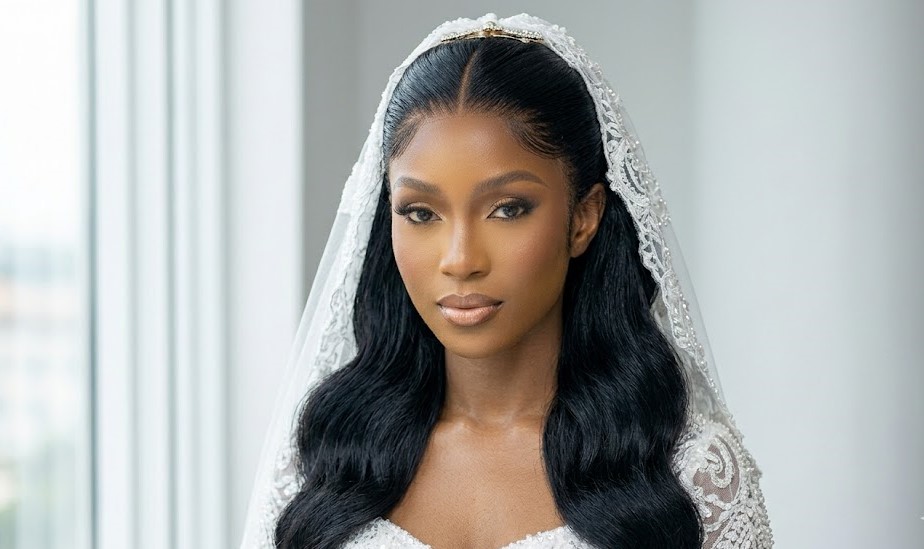
Frontal hairstyles for a bridal look? I’m sat!
You know, when that song said “Where’s my husband?” I felt it in my chestttt! 😂
If you’re reading this, you probably can’t relate… your own person already showed up, and honestly, I love that for you.
Now that’s out of the way, let’s get into the details…
One of the most important parts of planning a wedding is the look because the bride has gotta slayyy.
And I’ve got you.
Frontals have been a popular bridal hair trend for a while now, and I’m here to give you some inspo for frontal hairstyles for your big day…
Most Nigerian brides go through at least three looks across their wedding ceremonies: the court wedding, the traditional wedding, and the white wedding. Instead of getting a different install for each one, the smarter move is to pick a frontal hairstyle that can be worn as is or adjusted slightly depending on the event.
Below are the most popular frontal hairstyles Nigerian brides wear.
The lace frontal is installed and melted into the hairline from ear to ear, with a sharp middle or side part cut into the lace.
The hair is then flat-ironed from root to tip so there is no bend, wave, or volume anywhere. It falls past the shoulders, lying flat against the back.
A light serum is usually applied over the finished style for a clean, polished shine.
Works for:
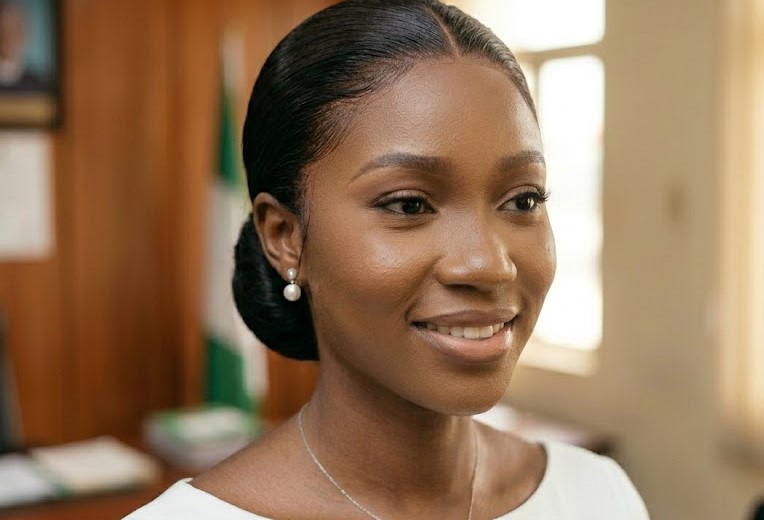
The lace frontal is installed and melted into the hairline, giving a clean, natural-looking hairline at the front.
The lace is laid flat with gel and blended into the skin so no edges are visible. All the hair behind the frontal is then gathered, twisted, and pinned into a compact bun at the nape of the neck.
Works for:
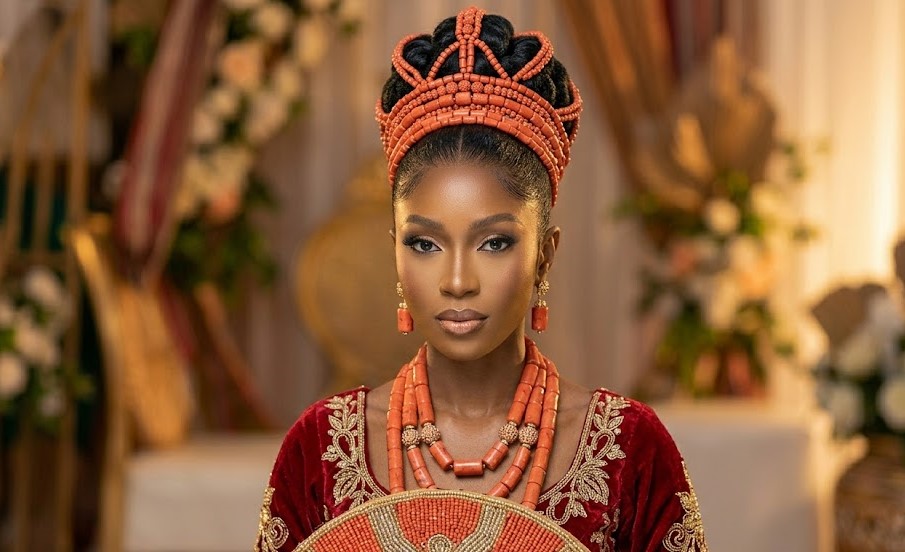
The lace frontal is installed and melted at the front to give a natural hairline. All the hair behind it is then gathered and pinned upward into a tight bun sitting at the crown of the head. The hair between the frontal and the bun is slicked flat and smooth with gel so there are no bumps.
The bun itself can be built up with additional hair for extra volume and height.
Works for:
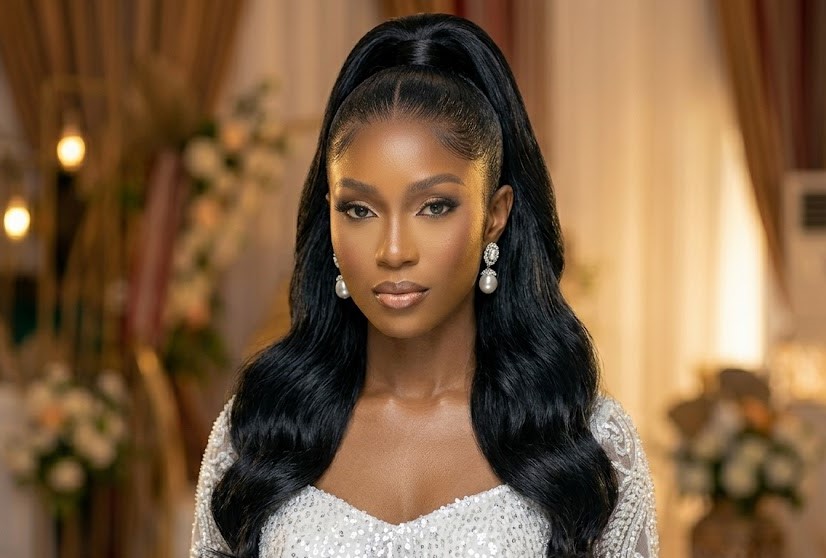
The lace frontal is installed and melted into the hairline, with the lace blended flat into the skin at the front.
All the hair is then brushed straight back and pulled into a ponytail at the nape or slightly higher, with gel applied along the roots so there are no bumps between the frontal and the ponytail base.
A small section of hair is wrapped around the elastic to conceal it.
Because the frontal covers the entire hairline from ear to ear, the slicked-back look reads completely natural with no visible wig edges. The ponytail itself can be left bone straight or curled.
Works for:
The lace frontal is installed and melted at the front.
The hair is then divided horizontally from ear to ear across the crown.
The front section, from the melted frontal back to that dividing line, is lifted and secured at the crown with a hair tie or bobby pins. The back section falls freely in waves or curls.
Because the frontal covers the hairline all the way to the ears, the lifted front section looks like your own hair being pinned back, with no lace or wig cap visible.
Works for:
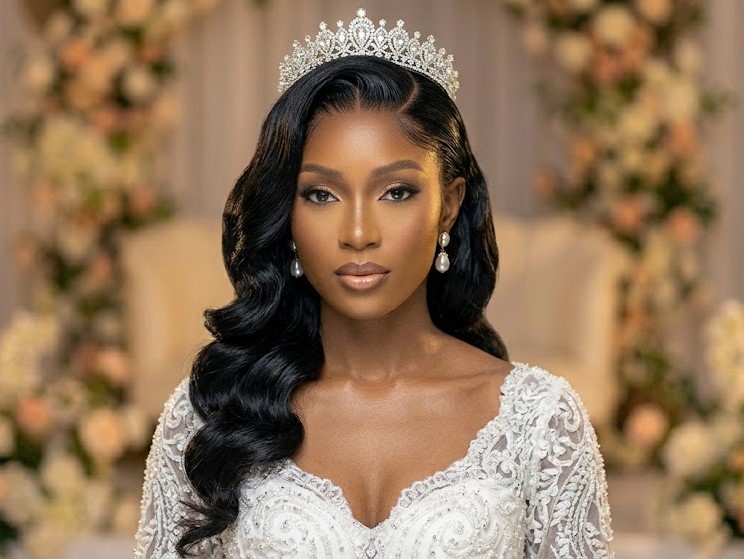
The lace frontal is installed with a deep side part cut into the lace on one side, and the lace is melted flat into the skin so the hairline and the part both look completely natural.
The hair is then set with a curling iron and brushed out into deep, structured S-shaped waves that run in one continuous, unbroken line from root to end.
Each wave curves one way then sweeps back the other, lying flat and smooth against each other rather than bouncing separately.
The waves fall over one or both shoulders and are often pinned at the nape to ensure they stay in place. Because the frontal gives a natural hairline and a clean side part, it looks like the hair is growing directly from the scalp with no visible lace anywhere.
Works for:
The lace frontal is installed with a deep side part cut into the lace, and the lace is melted flat on both sides of the part so the hairline blends completely into the skin.
The larger section of hair falling from the part is styled into full, voluminous curls using a large barrel curling iron, then brushed out lightly so the curls are big and loose rather than tight and defined.
To keep the look polished, the hair is often pinned securely behind the ear on the opposite side so the volume stays swept over one shoulder.
The frontal’s melted lace on the side of the deep part means no wig edges are visible, and the hairline reads as completely natural even with the dramatic volume of the curls.
Works for:
There you have it, frontal hairstyles for every part of your wedding journey, from the quiet court signing to the full white wedding slay. Now go book that stylist.
What is a frontal wig and why do Nigerian brides use it?
A frontal wig uses a lace piece that runs ear to ear, covering the entire hairline. Nigerian brides love it because it creates a completely natural-looking hairline while allowing the hair to be restyled for different parts of the wedding- court, traditional, and white wedding- without starting from scratch.
What Frontal hairstyles can I wear for my Nigerian court wedding?
Court weddings call for clean and simple. A bone straight sleek frontal or a low bun frontal are the two most popular choices; both look polished and formal without being overdone, and neither requires any touching up once you leave the salon.
Can I wear a frontal wig under my gele?
Yes, and many brides do exactly this. The frontal is used mainly to create a smooth, natural hairline before the hair is packed flat. However, tell your stylist to use a strong hold and ensure the glue is fully “cured” so the friction of the gele doesn’t cause the lace to roll back.
What is the most popular bridal frontal hairstyle for a white wedding in Nigeria?
Hollywood waves are arguably the most requested, especially for white weddings. They photograph beautifully, pair well with veils, and last through long ceremonies. The frontal ponytail and half-up, half-down styles are close runners-up for brides who want something a bit more modern or structured.
What is the difference between sleek straight and a low bun frontal hairstyles?
They are two completely different styles. A sleek straight frontal means the hair hangs long and bone straight, worn down with a sharp part. A low bun frontal means the frontal is laid at the front for the hairline effect, and all the hair is gathered and packed into a neat bun at the nape of the neck. One is all down, one is fully up.
What frontal hairstyles work best for a Nigerian traditional wedding?
For a Nigerian traditional wedding, if the bride is not wearing a headwrap, the hair is often styled into a high bun and decorated with coral beads (okuku style). The frontal wig helps give the style a clean, natural hairline and adds volume to the base.
How long before my wedding should I install my frontal?
For the most seamless “melt,” you should install your frontal on the morning of your wedding. While it’s tempting to do it the day before, installing it on the big day ensures the lace is at its crispest for photos and hasn’t begun to lift from sleep or humidity.
What are Hollywood waves and how are they different from regular curls?
Hollywood waves are deep, structured S-shaped waves that run in one continuous line from root to end, smooth and intentional. Regular loose curls are more random and bouncy. The Hollywood wave has a defined deep side part and a polished finish that reads differently in photos, which is why it’s such a popular bridal choice.
Can a frontal wig be styled for both my traditional and white wedding?
Yes, this is actually one of the main reasons brides choose frontals. A good quality frontal can be installed once and restyled: bone straight for the court, packed under a gele or beaded for the traditional, and then styled into waves or a ponytail for the white wedding. It saves money, time, and the stress of multiple installs.
Bob wigs are one of those styles that never really

Kinky curly hair extensions have become a favourite choice among
Let’s talk seduction for a hot minute, ladies… A truly
Get exclusive beauty tips, product launches, and special offers directly to your inbox.
We use cookies to improve your experience on our site. By using our site, you consent to cookies.
Manage your cookie preferences below:
Essential cookies enable basic functions and are necessary for the proper function of the website.
These cookies are needed for adding comments on this website.
Statistics cookies collect information anonymously. This information helps us understand how visitors use our website.
SourceBuster is used by WooCommerce for order attribution based on user source.