

Dior Sauvage Eau de Parfum: Is One of the World’s Most Popular Men’s Fragrances Still Worth It?
Few men’s fragrances have achieved the level of recognition that
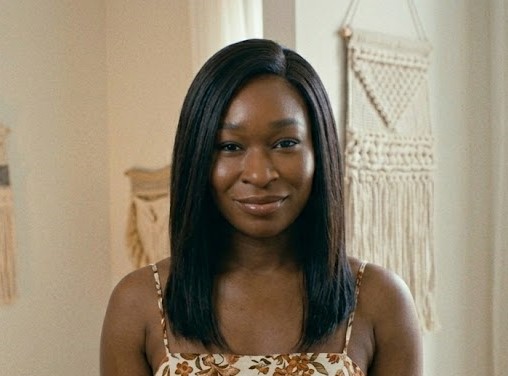
Sew-in extensions are your best bet for those styles that look effortless when they’re done right.
You wake up, your hair is already in place, and you don’t have to worry about styling it every single day. It’s a big reason why so many women in Nigeria keep going back to it.
But if you’ve ever had one that felt too tight, didn’t last, or started tangling earlier than expected, then you already know it’s not always straightforward.
A sew-in can either make your routine easier or become something you regret spending money on, and the difference usually comes down to the sew-in extension you use and how it’s installed.
Sew-in extensions are hair wefts or bundles that can be installed without glue.
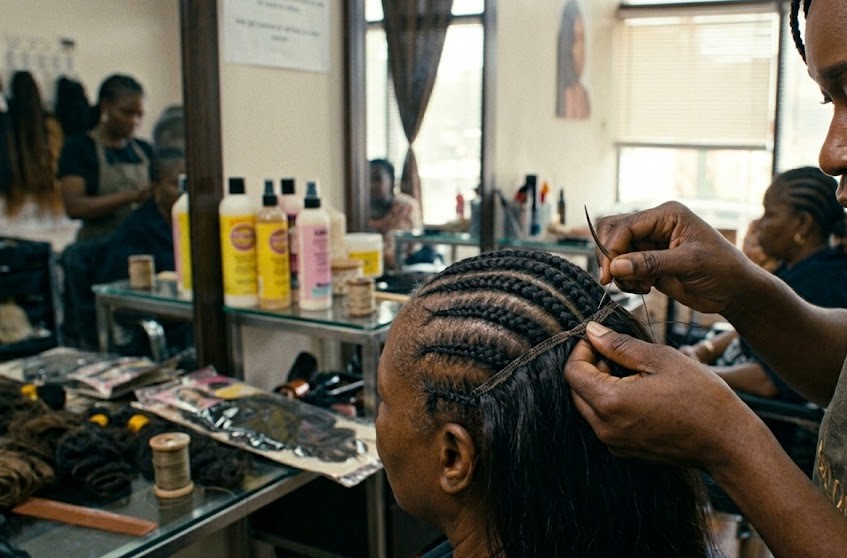
A sew-in is done by braiding your natural hair into cornrows and then sewing extensions (bundles) onto those braids using a needle and thread.
There’s no glue involved, which is why many people prefer it, especially if they’re trying to protect their natural hair.
Once it’s installed properly, it gives you a neat, full look that can last for weeks with minimal daily effort.
1. It protects your natural hair
Your hair is tucked away under the braids, so you’re not constantly combing, applying heat, or manipulating it every day. This gives it a real chance to grow and retain length.
2. It looks very natural
With good quality bundles and a skilled stylist, sew-ins blend well and can easily pass as your real hair.
3. It lasts for weeks
A sew-in can stay in for 6 to 8 weeks, which means you’re not redoing your hair every few days like you would with other methods.
4. It stays secure
Unlike clip-ins, sew-ins don’t shift or fall out. You can work out, swim, or sleep without worrying about your hair moving.
5. The hair can be reused
If you buy sew-in extensions made from good quality human hair, you can take it out, wash it, and sew it back in again. So the money you spend goes further than you think.
1. It can damage your edges
If the braids are too tight, the constant tension can cause your hairline to thin out over time. This is one of the most common complaints with sew-ins.
2. Your scalp can get dirty
It’s hard to properly clean underneath a weave. Sweat, oil, and product build up in the braids and if you ignore it, it leads to itching and sometimes infections.
3. It can be painful at first
The first few days after installing your sew-in extensions can be uncomfortable. Tight braids often cause headaches and it can be hard to sleep properly.
4. You can’t leave it in too long
After 8 weeks, your natural hair starts to mat and tangle underneath. Taking it out carelessly after that point can cause a lot of breakage.
The truth is, most issues people have with sew-ins are avoidable. Some of them include…
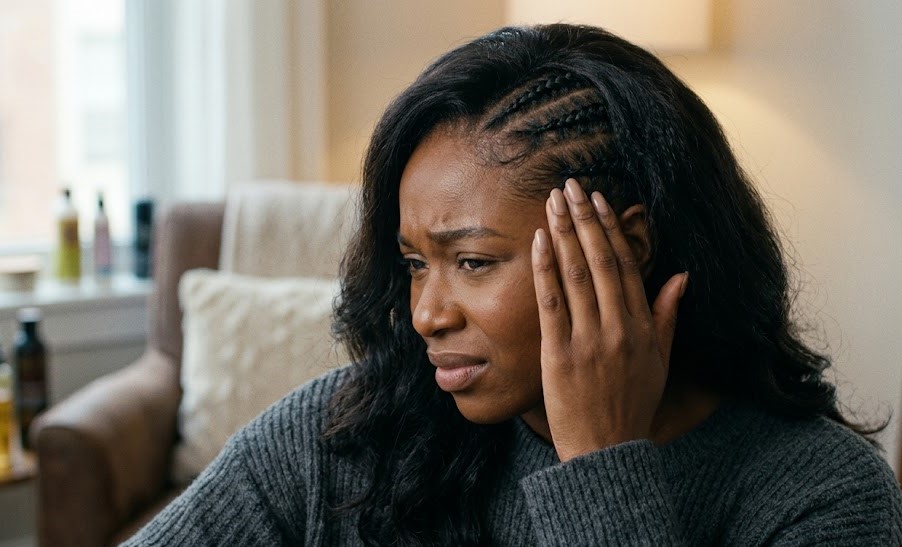
If your sew-in hurts for days, it’s not something to “endure”. It’s a sign the braids are too tight. Over time, this can affect your edges.
Very cheap “human hair” sew-in extensions often tangle, shed, and lose its look quickly. It may not last even half the time you expect.
3. Keeping it for too long
Even a good sew-in shouldn’t be left in for too long. Your natural hair still needs attention underneath, if not it could lead to breakage.
Prices vary quite a bit, mostly depending on the hair you choose and where you’re getting it done.
For the hair itself, basic human hair can start from around ₦20,000 and go up to ₦60,000. Mid-range options like Brazilian or Peruvian hair usually fall between ₦60,000 and ₦150,000, while premium or virgin hair can go much higher.
Most styles need about two to three bundles, depending on how full you want the look to be. And in many cases, it’s better to go for fewer bundles of good quality hair than to use more of something cheaper that won’t last.
Installation is a separate cost. A simple sew-in might cost between ₦5,000 and ₦15,000, while styles that involve closures or frontals are usually higher.
In more premium salons, especially in places like Lagos, prices can go higher depending on the stylist.
When you put everything together, most people end up spending anywhere from around ₦25,000 on the low end to ₦150,000 or more for a fuller, higher-quality look.
If there’s one thing that makes the biggest difference, it’s getting both the hair and the installation right from the beginning.
When those two don’t match, people often end up spending more time and money trying to fix problems later.
That’s why many people prefer to get their hair and installation from the same place. It removes a lot of the guesswork and makes it easier to get a result that actually lasts and looks the way you expect.
Sew-ins are convenient, versatile, and when done well, they make your everyday routine much easier.
But like most things, the outcome depends on the choices you make at the start. Good hair and proper installation go a long way, and once those are in place, everything else becomes easier to manage.
If you’re planning to get one soon and you’re not completely sure what type of hair to go for, it’s always worth asking questions first. It’s a lot easier to get it right from the beginning than to deal with issues later.
Most people use 2 to 3 bundles. If you want a fuller or longer look, you may need more.
Not when it’s done properly. Damage usually comes from tight braiding, poor installation, or leaving it in for too long.
Closures are easier to maintain and more beginner-friendly. Frontals give a more flexible and natural hairline but require more care.
Use good-quality hair, avoid very tight styles, and take care of your scalp and braids underneath. Proper installation also makes a big difference.
Few men’s fragrances have achieved the level of recognition that

Have you ever sprayed your favourite perfume in the morning,
Luxury designer fragrances are wonderful, but building a fragrance collection
Get exclusive beauty tips, product launches, and special offers directly to your inbox.