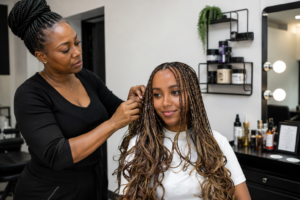


When it comes to removing a glued lace frontal, the golden rule is simple, take your time and let the products do the hard work for you.
Tugging at dry lace frontal puts a massive strain on your hairline and can give you painful friction burns.
Instead of forcing it, you can use simple solvents and a gentle touch to dissolve the glue safely. Let’s dive into an easy, step-by-step routine that keeps your natural hair totally protected.
What You Need to Remove a Lace Frontal at Home
Before anything else, gather your tools and get set up in a well-lit area in front of a mirror. Having everything within reach means you won’t be tempted to rush halfway through.
Here’s what to have on hand: an oil-based or alcohol-based lace glue remover (recommended options include C-22 Citrus Solvent or Lace Off Front Remover), a few cotton balls and cotton swabs, a plastic rat-tail comb, a couple of hair clips, a microfiber cloth or thick paper towel, a clarifying shampoo, and a rich leave-in conditioner or Jamaican Black Castor Oil.
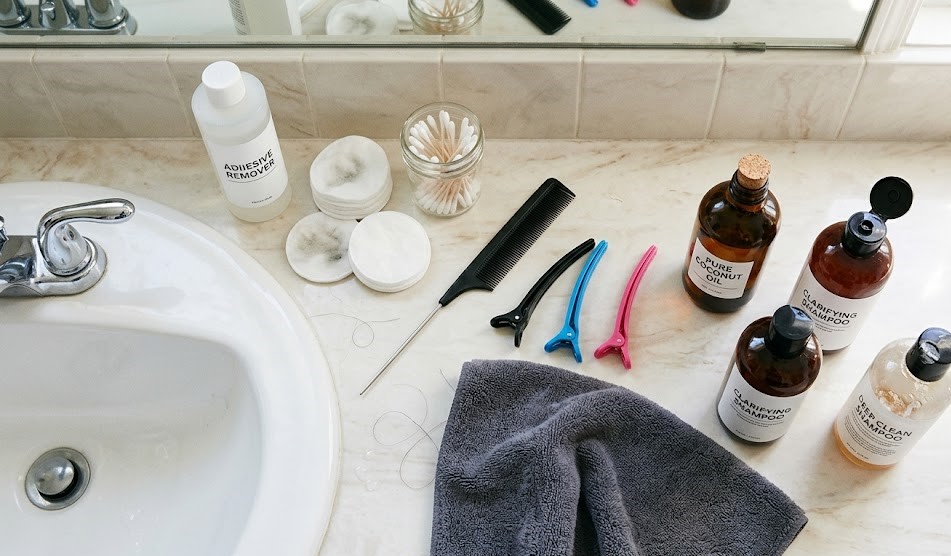
Once everything is ready, clip all the wig hair back and away from your face. This gives you a completely clear view of your hairline.
Step 1: How to Soften Lace Wig Glue Before Removal
Before you even think about lifting that lace, you have to break down the bond of the glue. Trying to peel your wig off while the adhesive is still fully active is the quickest way to cause completely avoidable hair breakage.
Soak a cotton ball in your lace glue remover or a high-quality oil like pure emu or olive oil. Dab it generously right along the front edge of the lace, making sure the glue line is completely saturated.
Now wait for 3 to 5 minutes. Letting the liquid sit gives it enough time to soften the lace wig glue before you try to move anything.
Step 2: How to Remove a Glued Lace Frontal Wig Without Pulling Your Edges
Always start lifting near your sideburns or ears. The skin over your temples is much less sensitive than the centre of your forehead, making it the safest spot to test whether the lace wig glue has actually loosened up.
Instead of using your fingernails or a sharp comb, grab a clean cotton swab dipped in your remover.
Gently roll and slide the wet cotton swab between your skin and the lace. This soft rolling motion peels the lace back smoothly without pulling on your hair follicles at all.
As you work your way around your hairline, keep reapplying your product. If you feel even the slightest bit of resistance or pulling, stop immediately.
Dab a little more remover onto that specific spot, rub it in gently with your finger, wait another minute, and try again.
When the glue is fully dissolved, the wig will slide right off without grabbing your real hair.
Step 3: How to Remove Lace Glue Residue From Your Hairline and Edges
Getting the wig off is a major win, but you aren’t quite finished yet. Once the lace is out of the way, you’ll probably see a sticky layer of leftover glue stuck to your forehead and your baby hairs. Avoid scrubbing, aggressive rubbing will leave your skin sensitive, red, and irritated.
Instead, choose one of these two methods:
- The Rubbing Alcohol Method for Lace Glue Removal
Soak a microfiber cloth or thick paper towel in 70% isopropyl rubbing alcohol and gently wipe the residue in a downward motion. The alcohol breaks down the stickiness quickly and causes the glue to ball up, making it easy to slide right off your hair strands. Always follow up immediately with a hydrating oil or moisturiser to prevent dryness.
- The Oil Soak Method for Sensitive Skin and Edges
If your skin feels sensitive or dry, apply a layer of coconut or jojoba oil directly to the leftover glue instead.
Massage it in with your fingertips for two minutes, then use a fine-tooth comb to smoothly slide the loosened glue out of your edges.
Step 4: How to Cleanse and Restore Your Scalp After Lace Wig Removal
Now that your skin and hair are completely free of glue, it’s time for the final, and most important, step. Lace glue, chemical removers, and heavy styling products easily build up on your scalp, which can dry out your skin and clog your pores if left alone.
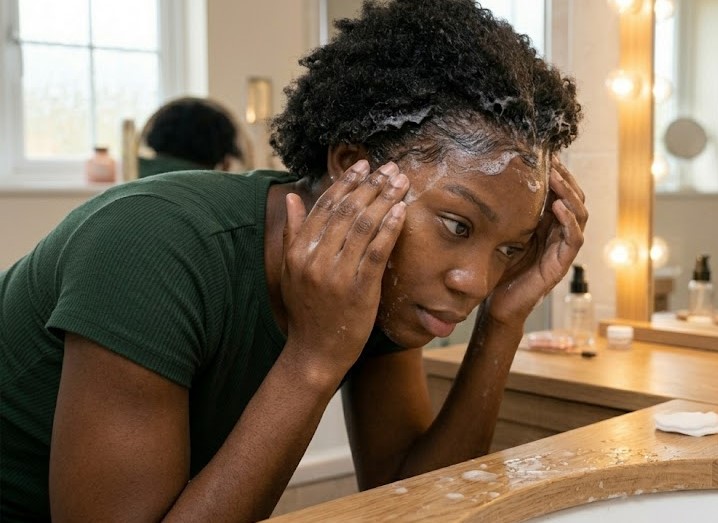
Wash your natural hair with a clarifying shampoo to remove all traces of chemical removers, alcohol, and oil. Use your fingertips to massage your edges thoroughly and clear out those pores.
Finally, apply a rich leave-in conditioner or a nourishing scalp oil like Jamaican Black Castor Oil to your hairline once your hair is dry. This calms any dry skin, conditions your hair follicles, and keeps your natural edges looking healthy and strong.
How to Protect Your Edges After Removing a Lace Frontal
Removal is only half the job. What you do between wears matters just as much for keeping your hairline intact long-term.
Here are a few ways to keep your edges protected…

- Give your scalp and edges a break between glued installations, ideally for at least a few days, and longer if you notice any thinning or soreness.
- Avoid wearing a glued lace frontal continuously for more than four to six weeks, as your scalp needs time to breathe.
- In between wears, massage your edges daily with a lightweight hair oil to keep the follicles stimulated and moisturised.
- If your hairline is looking thin or sparse, switch to a glueless wig or a low-tension protective style while your edges recover.
If thinning persists after several weeks of rest and proper aftercare, it may be worth consulting a trichologist or hair professional.
Repeated tension and adhesive use over time can cause traction alopecia, and catching it early makes a significant difference to recovery.
FAQs
Can I Use Rubbing Alcohol to Remove Lace Wig Glue?
Yes, 70% or 91% isopropyl alcohol can break down many types of lace glue. However, it can be really drying to both your skin and your natural hair. Always follow up right away with a hydrating oil or moisturiser so your skin doesn’t get irritated.
What Should I Do If My Edges Are Thinning From Wearing a Lace Frontal?
If you notice thinning or broken hairs along your hairline, take a break from glued installations for at least 2 to 4 weeks. Switch to glueless wigs or low-tension protective styles, and massage your hairline daily with a hair oil to keep the area moisturised.
Why Is My Lace Glue Not Coming Off With Soap and Water?
Most professional lace glues are completely waterproof and sweat-resistant, meaning regular soap and water won’t dissolve them. You need an oil-based or alcohol-based solvent to physically break down the chemical bonds of the adhesive.
Can I Reinstall My Lace Frontal Right After Removal?
It is best to give your scalp at least 24 to 48 hours of rest before reapplying a glued frontal. This lets your skin recover from the remover, allows your pores to breathe, and gives any minor irritation time to settle before you apply adhesive again.
Will Lace Wig Glue Damage My Natural Hair Permanently?
Lace glue itself does not automatically cause permanent damage. The damage comes from improper removal, i.e. pulling at the lace before the glue is fully dissolved. Follow a careful removal routine, give your edges proper aftercare, and your natural hairline should stay healthy with regular wear.