

Dior Sauvage Eau de Parfum: Is One of the World’s Most Popular Men’s Fragrances Still Worth It?
Few men’s fragrances have achieved the level of recognition that


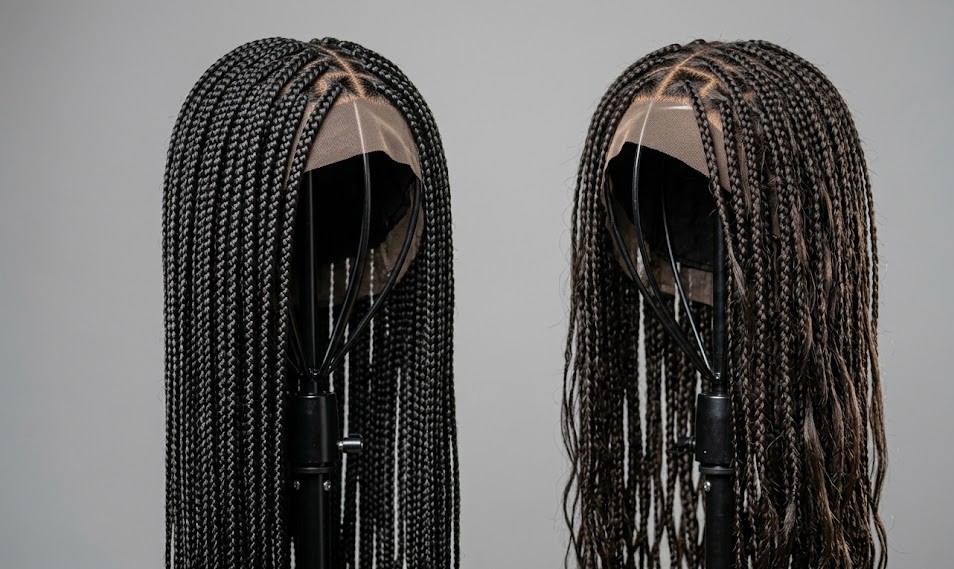
Trust me when I say Braided wigs are honestly one of the best things to happen to our hair routines.
You get the look of a fresh salon install, box braids, knotless, Senegalese twists, the works, without sitting down for six hours.
But the thing nobody really talks about enough is how you care for your wig after you buy it and how it determines whether it still looks good three months later or starts looking rough after three weeks.
The good news? Maintaining a braided wig is not complicated. Grab a seat, let me show you how…
What Type of Braided Wig Do You Have?
Before you follow any care routine, you need to know whether your braided wig is made with synthetic hair or human hair, because the care rules are different.
Synthetic braided wigs are the most common and usually more affordable. They don’t need as much moisture, and you generally cannot use heat tools on them unless the pack specifically says “heat-resistant.”
Human hair braided wigs are a bigger investment, but they behave more like your natural hair. They need regular moisture and conditioning, and you can use heat tools on the loose sections if needed. If you have a Boho or Goddess style, the kind with loose, curly ends, this especially applies to you.
When in doubt, check the label or ask your seller. Now, let’s get into the care routine.
A lot of people either wash their wig too often or they avoid washing it altogether because they’re scared of ruining it.
Both extremes are a problem. You don’t need to wash your braided wig every week, but when dirt, product buildup, or sweat starts to show, especially around the lace cap, it’s time.
Here’s how to do it properly:
Step 1: Detangle Before You Start
Before any water touches the wig, run your fingers gently through it to loosen any knots or tangled strands. If you have a Boho style with loose curly ends, this step is especially important. Curls that go into water already tangled will come out in a worse state.
Step 2: Prepare Your Wash Basin
Fill a basin or bowl with lukewarm water, not hot, not cold. Warm water is ideal because it helps open the hair cuticle and lift out dirt.
Add a small amount of sulfate-free shampoo.
Sulfate-free is key because regular shampoos can strip moisture and leave the wig looking dry and dull. If you can find one with argan oil or keratin, even better.
Step 3: Wash Gently
Submerge the wig and let it soak for about five to ten minutes. Then gently squeeze the soapy water through the braids, no scrubbing, no rubbing aggressively.
Pay close attention to the inside of the lace cap, because that’s where sweat and scalp oils tend to sit and build up.
Step 4: Rinse Thoroughly
Rinse the wig thoroughly under running lukewarm water. Keep going until there’s no shampoo left. You’ll feel it when the water runs clear, and the wig stops feeling slippery.
Step 5: Condition Your Braided Wig (Don’t Skip This)
This step is where many people cut corners, and it makes a real difference especially for human hair wigs.
Because the hair is not attached to a scalp, it receives zero natural oils. You have to put that moisture back in manually.
Apply a lightweight conditioner to the braids and cap area. If you have a human hair braided wig, go further and use a deep conditioner or hair mask, leaving it on for ten to twenty minutes.
Then rinse with cool water. Cool water closes the hair cuticle, which is what gives the hair that smooth, shiny finish.
Step 6: Dry Your Wig Properly
Gently squeeze out excess water. Never squeeze or twist the braids. Lay the wig flat on a clean towel or hang it on a wig stand to air dry.
If you have a human hair wig and you’re in a hurry, you can use a hooded dryer on a low heat setting.
For synthetic wigs, stay away from dryers completely. Air drying is always the safest option for both types.
Washing is not the only time your braided wig needs attention. Between wash days, your wig needs light moisture to stay looking healthy and prevent frizz from setting in.
The easiest way to do this is with a light oil spray. Jojoba oil, coconut oil, and argan oil all work well.
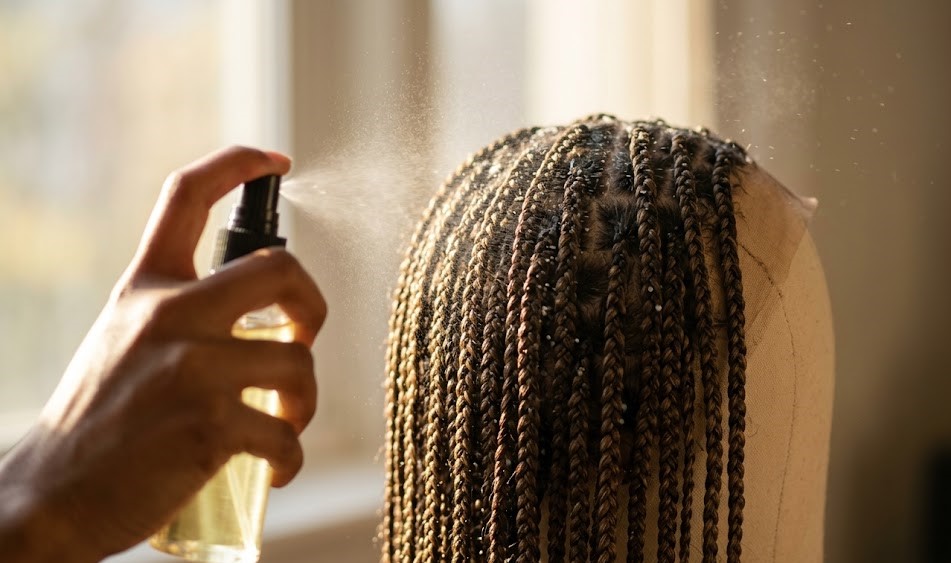
Spray lightly across the wig, focusing on the roots and the ends of the braids. You can also use a water-based leave-in conditioner as a quick refresh.
What you want to avoid are heavy creams, thick gels, or wax-based products.
These don’t absorb well into braids and end up sitting on the surface, causing product buildup that makes the wig look greasy and weighed down.
Think of it this way: light and consistent beats heavy and occasional.
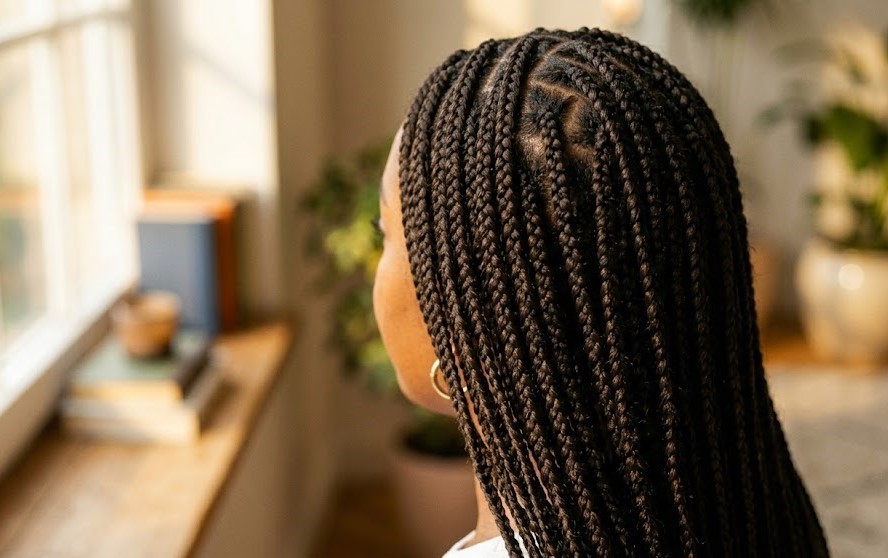
Frizz is the most common complaint with braided wigs, and it’s mostly unavoidable the longer you wear one. But there are a few things you can do to manage it:
For human hair Boho braided wigs, you have an advantage. You can use a curling iron to refresh the loose curly ends. That’s something you simply cannot do with synthetic wigs, so if you have human hair, take advantage of it.
This one needs to be said clearly. Do not use heat on a synthetic braided wig unless it explicitly says it is heat-resistant. The braids can frizz, melt, or lose their shape permanently, and there’s no coming back from that.
For human hair braided wigs, heat is fine on the loose sections and the flat top area. Treat it the same way you’d treat your natural hair.
But even then, try not to apply heat directly onto the braids themselves. Always make air drying your first choice after washing. It might take longer, but your wig will last much longer for it.
The way you store your braided wig when you’re not wearing it matters more than most people realise. Tossing it on a dresser or squeezing it into a small bag is how wigs get misshapen, tangled, and flat.
Here’s how to store yours properly:
Give the wig room to breathe as well. Don’t stack things on top of it or pack it in too tightly.

With proper care, a human hair braided wig can last two years or more.
Synthetic braided wigs have a shorter natural lifespan, but consistent maintenance, proper washing, moisturising, and storage can significantly extend how long yours stays looking good.
The honest truth is that most wigs don’t wear out from normal use.
They wear out from neglect, e.g. being stored wet, washed with harsh products, dried with heat, or stuffed into bags without care. Treat your braided wig well, and it will pay you back.
Do:
Don’t:
Maintain the wig, maintain the slay, and, just in case you need help installing your braided wigs, check out this comprehensive guide.
Can I dye or colour my braided wig?
If it’s a human hair braided wig, yes. But have a professional handle it to avoid damaging the lace or the braids.
How often should I wash my braided wig?
There’s no fixed schedule. Wash when you notice buildup, sweat residue, or the wig starts to look dull. Over-washing can actually shorten its lifespan.
Can I sleep in my braided wig?
It’s not ideal. If you must, tie it up with a satin scarf or use a satin pillowcase to reduce friction. But taking it off and storing it properly will always be better for its longevity.
My braided wig is smelling. What do I do?
This usually means it needs a wash. Follow the steps above and make sure it dries completely before storing. Storing a damp wig is the main cause of wig odour.
Few men’s fragrances have achieved the level of recognition that

Have you ever sprayed your favourite perfume in the morning,
Luxury designer fragrances are wonderful, but building a fragrance collection
Get exclusive beauty tips, product launches, and special offers directly to your inbox.