

Dior Sauvage Eau de Parfum: Is One of the World’s Most Popular Men’s Fragrances Still Worth It?
Few men’s fragrances have achieved the level of recognition that


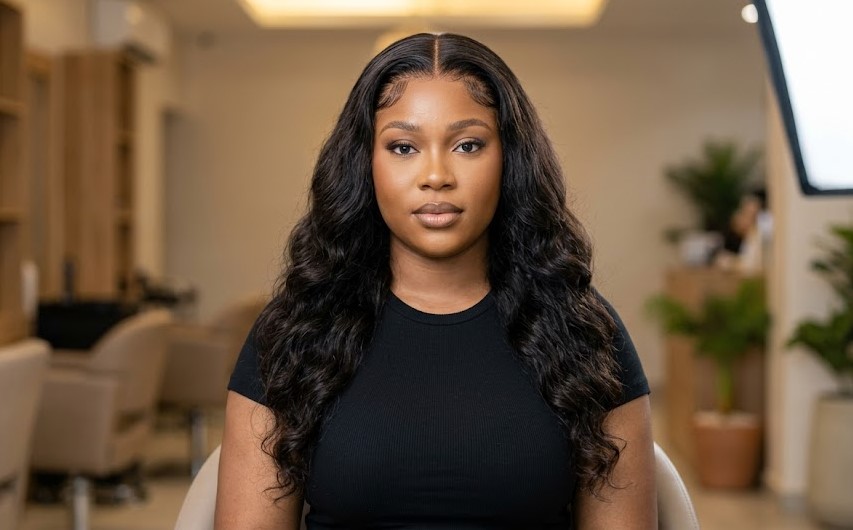
Finding the best wigs for plus-size ladies can be frustrating when standard wig caps feel too tight, uncomfortable, or unstable. Trust me, I know the struggle.
Many women assume the problem is the wig itself, but incorrect sizing, bulky braid foundations, or unsuitable cap construction often cause issues like headaches, lace lifting, and constant slipping.
This guide explains how to measure your head correctly, choose the right cap size, select the best braid foundation, and find wig styles that suit fuller face shapes and larger head sizes, so grab a seat, sis!
Most wig fit problems come from three things: incorrect cap size, bulky braids, or choosing the wrong wig construction. Standard wigs are often designed around average head sizes, so anyone with thicker natural hair or a larger head circumference may experience tightness or pressure points.
Wig sizing is not fully standardised across all vendors, which is why measuring your head is the most reliable way to avoid mistakes.
Using a soft measuring tape, wrap it around your head starting from the front hairline, above your ears, down to the nape of your neck, and back to the starting point. Keep the tape flat and snug, but not tight.
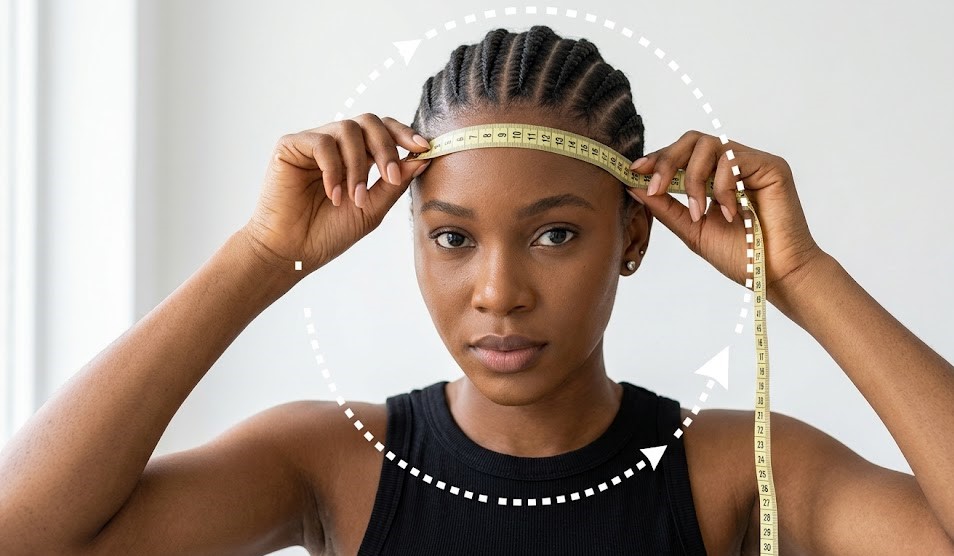
Keep in mind that thick natural hair and cornrow braids can increase the space needed inside a wig cap. Depending on your hair density and braid pattern, you may require a slightly larger cap size for maximum comfort.
Even when your measurements are correct, your braid foundation still plays a major role in how the wig feels and sits.
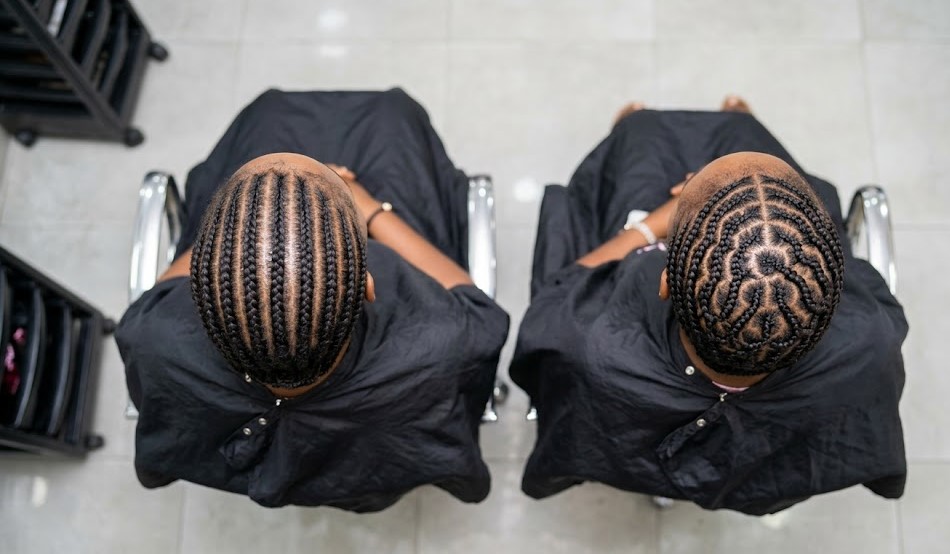
One thing to note about wigs for plus-size ladies is that your braid base has a direct impact on comfort, appearance, and overall fit. Even a perfectly sized wig can feel uncomfortable if the braids underneath are bulky.
The goal is a flat, even base that distributes weight smoothly across the scalp.
Many professional wig installers prefer honeycomb or circular braid patterns because they distribute bulk evenly across the scalp. Unlike traditional straight-back cornrows, this pattern reduces visible ridges under the wig and creates a smoother foundation.
For most people, 10–14 small cornrows arranged in a circular pattern provide a flat base that improves both comfort and appearance. The braid ends should be sewn down neatly rather than left loose underneath the wig.
When choosing the best wigs for plus-size ladies, style is about more than trends. It’s about proportion, balance, and how the hair frames your face.
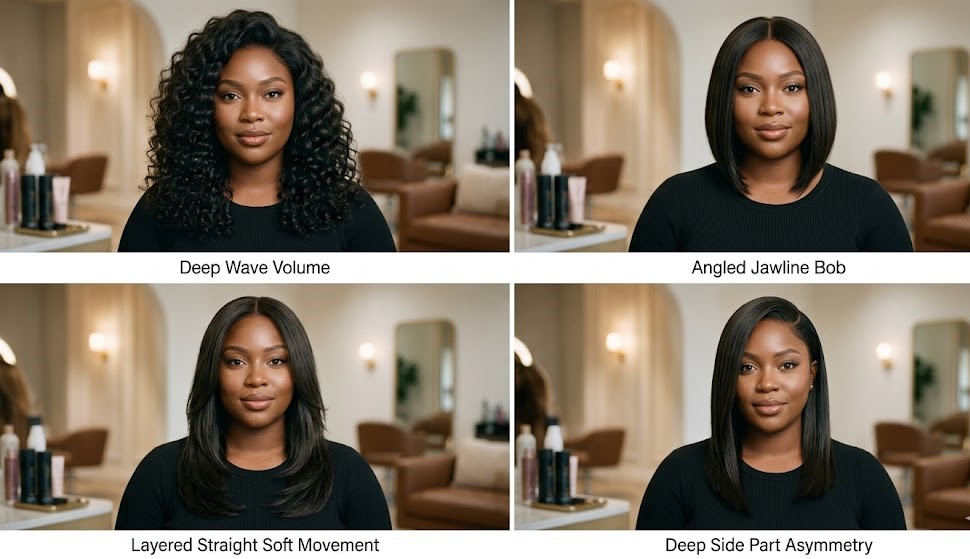
Angled bobs, deep side parts, and layered wigs can help create the appearance of length and add definition.
Oval faces are generally versatile and can wear most wig styles successfully, from sleek straight looks to voluminous curls.
Soft curls, deep waves, and layered cuts help soften strong jawlines and create balance.
Shoulder-length waves and layered bobs can balance a wider forehead while adding fullness around the lower face.
Full curls, deep wave wigs, and textured styles add width and help create more balanced proportions.
Face shape is only one consideration. Head size, body proportions, and personal style preferences should also influence your final choice.
Cap construction plays a major role in comfort, especially for women wearing wigs daily in Nigeria’s warm climate.
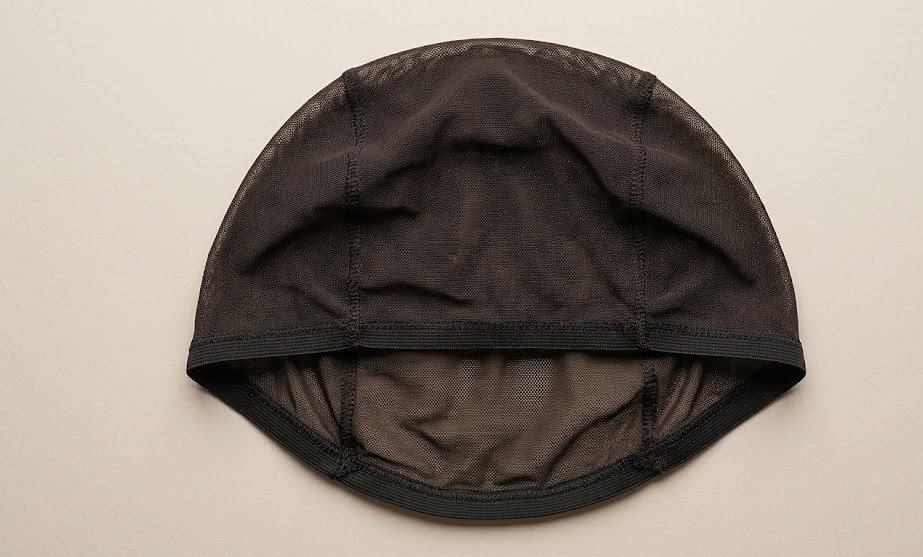
Mesh dome caps are flexible, breathable, and forgiving for different head sizes. The stretch material accommodates larger head circumferences more comfortably than rigid cap constructions.
They are often recommended for beginners because they offer:
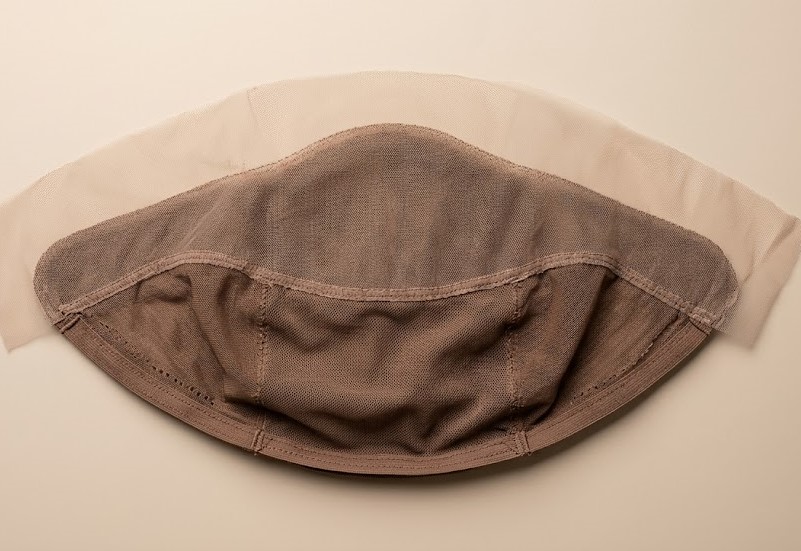
Lace front wigs provide a natural-looking hairline but are generally less forgiving when it comes to sizing.
Many people make the mistake of relying solely on adjustable straps. While straps can tighten the back of the wig, they do not change the size of the lace section at the front.
For women with larger head circumferences, it is best to request a large-cap lace front wig and confirm the cap measurement before purchasing.
A 13×6 lace front with a large cap can provide both a comfortable fit and more styling flexibility.
Common signs include tightness at the temples, headaches after short wear, lace lifting around the hairline, and a feeling of immediate relief when the wig is removed.
Absolutely. The key is choosing styles with movement, texture, or layering. Curly pixie cuts, layered bobs, and textured short wigs often create better visual balance than flat, blunt styles.
A mesh dome cap deep wave wig is often one of the most comfortable options. The cap is flexible, breathable, and suitable for a wide range of head sizes.
Most wig manufacturers classify cap sizes around 23–23.5 inches as large. However, sizing varies between brands, so measuring your head before purchasing is always recommended.
Some wig caps, particularly mesh dome and glueless wigs, offer some flexibility. However, stretching cannot fully compensate for a cap that is significantly smaller than your head circumference.
Few men’s fragrances have achieved the level of recognition that

Have you ever sprayed your favourite perfume in the morning,
Luxury designer fragrances are wonderful, but building a fragrance collection
Get exclusive beauty tips, product launches, and special offers directly to your inbox.