

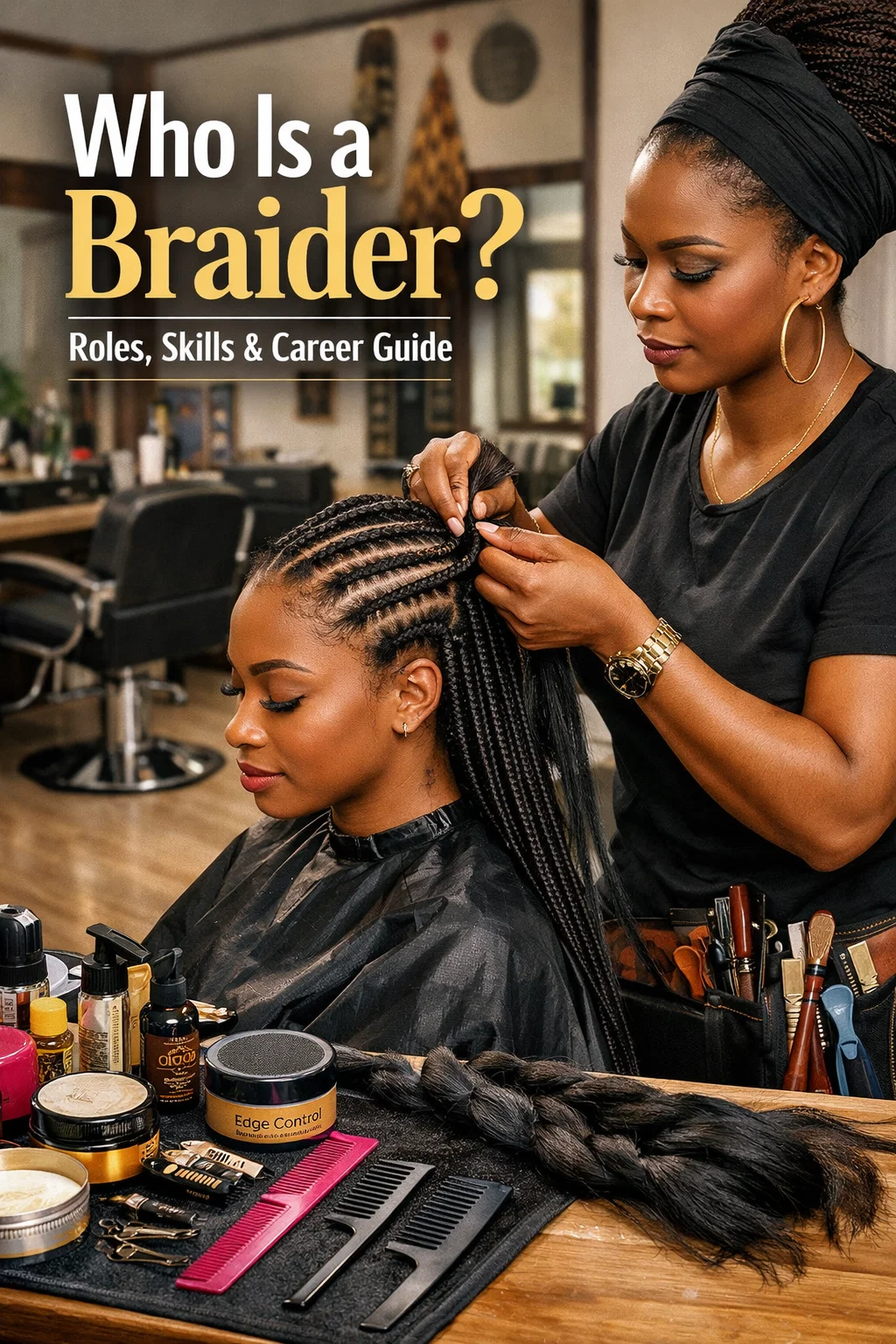

Braids are far more than just a hairstyle; they represent culture, artistry, identity, and a thriving beauty business. Across Africa and the diaspora, braiding has remained a timeless tradition, evolving from ancestral cornrow patterns passed down through generations to modern styles like knotless braids, boho braids, and stitch braids that dominate social media today. As the demand for protective hairstyles continues to grow, professional braiders have become an essential part of the global beauty industry.
But who exactly is a braider? Is it simply someone who plaits hair, or does the profession involve deeper skills, creativity, and expertise?
In reality, braiding is a specialized craft that combines technical skill, patience, artistic vision, and strong client service. Professional braiders do far more than install braids, they help clients choose styles that suit their face shape, maintain scalp health, and create hairstyles that can last for weeks while protecting natural hair.
In this comprehensive career guide, we will explore what it truly means to be a braider, including the roles and responsibilities involved, the essential skills needed to succeed, career opportunities within the beauty industry, how to become a professional braider, and the income potential in Nigeria and beyond.
Whether you are considering starting a career in the beauty industry or simply want to understand the profession better, this guide will give you a clear look into the world of professional braiding.
Who Is a Braider?
A braider is a hair professional who specializes in plaiting, weaving, twisting, and styling hair into structured braid patterns. Unlike a general hair stylist who may focus on cutting, coloring, or chemical treatments, a braider concentrates primarily on braid-based styles.
Braiding is both a technical and creative skill. It requires hand coordination, patience, precision, and an understanding of hair textures.
Braiders may work:
- In a hair salon
- In a specialized braiding studio
- From home
- As freelancers
- On movie sets or fashion shoots
In many African communities, braiding is deeply cultural. Today, it has also evolved into a global beauty business.
Types of Braids a Professional Braider Should Know
A skilled braider should be able to create various styles, including:
- Knotless braids
- Box braids
- Cornrows
- Ghana weaving
- Stitch braids
- Lemonade braids
- Fulani braids
- Tribal braids
- Twist styles (Senegalese, Marley)
The more styles you master, the more clients you attract.
10 Roles and Responsibilities of a Braider
Being a braider is more than just braiding hair all day. The role involves several professional responsibilities that ensure clients receive a quality hairstyle while maintaining the health of their hair and scalp.
1. Consulting with Clients
A professional braider must begin every appointment with a proper consultation. This involves discussing different braid style options with the client and helping them choose a look that suits their personality, lifestyle, and hair type. The braider may recommend suitable braid sizes based on the client’s hair density and desired fullness, suggest braid colors that complement their skin tone or fashion preferences, and carefully assess the health of the hair and scalp before starting. Every client has different hair density, texture, length, and sensitivity levels, so this consultation step helps prevent damage and ensures the client leaves satisfied with the final result.
2. Preparing the Hair
Hair preparation is a crucial step that determines how neat and long-lasting the braids will be. Before the braiding process begins, the hair often needs to be washed or thoroughly cleaned to remove dirt, oils, and product buildup. After cleansing, the braider must carefully detangle the hair to remove knots and reduce breakage during braiding. Moisturizing the hair is also important to keep it hydrated and healthy while it stays in braids for several weeks. Finally, the hair must be neatly sectioned into clean and even parts, which helps create a tidy foundation for the braids and ensures the final hairstyle looks professional and well-structured.
3. Executing the Style
This is where the braider’s skill and experience matter the most. A professional braider must create clean and straight partings that give the hairstyle a polished look. They also need to maintain even braid tension so the braids are secure without causing pain or damage to the scalp. Each braid should be uniform in size to maintain consistency throughout the hairstyle, especially for styles like box braids, knotless braids, or cornrows. The finishing touches, such as sealing the ends and smoothing flyaways, also contribute to the neat and professional appearance of the final style.
4. Maintaining Hygiene
Cleanliness and hygiene are extremely important in any beauty service. A braider must ensure that all tools used during the process, such as combs, clips, and hair accessories, are properly cleaned and sanitized before and after each client. Hands should be washed or sanitized regularly throughout the service to maintain hygiene standards. In addition, the braider’s workspace should be tidy, organized, and free from hair buildup or clutter. Clients often judge the professionalism of a braider by how clean and well-maintained the environment is, so maintaining hygiene builds trust and credibility.
5. Time Management
Braiding can take anywhere from two to eight hours depending on the style, length, and size of the braids. Because of this, time management is an essential skill for every professional braider. They must be able to estimate how long each hairstyle will take so that clients know what to expect. A good braider avoids unnecessary delays during the process and works efficiently without compromising the quality of the style. Respecting appointment times, starting services promptly, and finishing within a reasonable timeframe helps create a positive experience for clients and allows the braider to serve more customers throughout the day.
6. Recommending Hair Care and Maintenance
A professional braider also plays the role of a hair care advisor. After completing a braid style, the braider should guide the client on how to properly maintain the braids at home. This may include recommending scalp oils, moisturizing sprays, satin bonnets, or protective sleep routines to keep the braids neat and prevent dryness or breakage. Proper aftercare advice helps extend the life of the hairstyle and protects the client’s natural hair underneath.
7. Keeping Up With Hair Trends
The beauty industry evolves quickly, and braid styles constantly change. A good braider must stay updated with current trends such as knotless braids, boho braids, stitch braids, tribal braids, and other creative styles that clients request. This may involve learning new techniques, watching tutorials, attending workshops, or practicing new patterns. Staying current with trends helps braiders attract more clients and remain competitive in the beauty market.
8. Managing Client Relationships
Building strong relationships with clients is another important responsibility. Many braiders rely on repeat customers and referrals to grow their business. Being friendly, patient, and attentive during long braiding sessions helps create a positive experience that keeps clients coming back. Good communication, listening to client preferences, and maintaining professionalism also help build trust and loyalty.
9. Handling Salon Tools and Supplies
Braiders must also manage the tools and materials needed for their work. This includes combs, clips, edge brushes, hair extensions, rubber bands, styling gels, and other products used during the braiding process. Keeping tools organized, replacing damaged items, and ensuring there is always enough supply for appointments helps maintain smooth daily operations.
10. Promoting Their Work and Business
In today’s digital world, many braiders also take responsibility for promoting their work. This may include posting finished hairstyles on social media, showcasing braid styles to attract new clients, or encouraging satisfied customers to refer friends. Marketing their work helps braiders build a strong reputation and grow their client base over time.
Together, these responsibilities highlight that braiding is both a creative craft and a professional service that requires skill, dedication, and strong client care.
Essential Skills Every Successful Braider Needs
There are certain skills that every successful braider must have. These skills are required to ensure perfect customer satisfaction
1. Hand Dexterity
Braiding requires excellent finger coordination and steady hand control. A skilled braider must be able to manipulate hair quickly and accurately to create neat, consistent braids.
2. Patience
Many braid styles can take several hours to complete from start to finish. A successful braider must stay calm and focused throughout the process to avoid rushing and making mistakes.
3. Attention to Detail
Clean partings, even braid sizes, and neat finishing are what separate a professional braider from an amateur. Paying close attention to small details ensures the final hairstyle looks polished and long-lasting.
4. Creativity
Modern braiding is not just about technique but also about style and artistic expression. Creative braiders can experiment with patterns, designs, and color combinations to create unique looks for their clients.
5. Communication Skills
Good communication helps braiders build trust and avoid misunderstandings with clients. They must clearly explain pricing, estimated duration of the hairstyle, and proper aftercare instructions.
6. Physical Stamina
Braiding often requires standing or sitting in the same position for long hours. A successful braider needs strong physical endurance to stay comfortable and maintain quality work throughout the day.
How to Become a Professional Braider
You don’t necessarily need a university degree to become a braider, but training is important.
Step 1: Learn from a Professional
Apprenticeship is common in Nigeria and Ghana. You learn hands-on techniques daily. A brand like Twinkles Beauty is sure to teach you all it takes to become one of the top hair stylists in your area.
Step 2: Practice Consistently
Skill improves with repetition. Practice on friends and family.
Step 3: Build a Portfolio
Take clear pictures of your work. Post on social media. Visual proof builds credibility.
Step 4: Consider Certification
While not always mandatory, formal training in cosmetology can increase professionalism.
You may register your business with the Corporate Affairs Commission if operating in Nigeria to appear more credible.
Where Can a Braider Work?
Braiders have flexible career paths:
- Hair salons
- Independent braiding studios
- Freelance (home service)
- Beauty schools
- Film and fashion industry
- International opportunities
Many African braiders relocate abroad and earn significantly more due to high demand for protective styles.
How Much Does a Braider Earn?
Income varies based on:
- Location
- Skill level
- Client base
- Salon reputation
In Nigeria:
- Beginner braiders may earn per client or receive commission.
- Experienced braiders in busy salons can earn daily income depending on volume.
Freelancers often charge premium rates, especially for:
- Knotless braids
- Tribal braids
- Bridal braiding
With consistency, braiding can become a highly profitable skill.
Challenges Braiders Face
Like any profession, braiding has challenges:
- Long working hours.
- Physical strain.
- Competitive market.
- Demanding clients.
- Inconsistent income at early stages.
However, skill improvement and branding can overcome these obstacles.
How to Stand Out as a Braider
To build a successful braiding career:
- Deliver neat, long-lasting braids.
- Be gentle to prevent hair damage.
- Maintain hygiene.
- Respect appointment times.
- Invest in social media marketing.
- Learn trending styles.
Your reputation is your biggest asset.
Is Braiding a Good Career Choice?
Absolutely.
Braiding is:
- Skill-based
- In high demand
- Flexible
- Scalable
- Profitable
You can start small and eventually open your own braiding studio or full hair salon.
Some braiders grow into full beauty entrepreneurs, employing other stylists and expanding into wig installation and haircare products.
Final Thoughts
A braider is not “just someone who plaits hair.” A braider is an artist, a cultural preservationist, a beauty professional, and often a business owner in the making. Through skillful hands and creative vision, braiders transform simple strands of hair into styles that carry tradition, beauty, and personal expression.
Professional salons also play an important role in raising the standards of braiding and hair care services. Salons like Twinkles Beauty demonstrate how professional braiders can combine creativity, hygiene, customer service, and modern styling techniques to deliver high-quality hair services that clients trust.
Explore Our Array of Beauty Essentials
Discover More Beauty Tips
How To Make a Wig With Closure: A Complete DIY Beginner’s Guide
25/03/2026
No Comments
Making a wig with closure is one of the most
Popular Short Wig Styles For Every Lady
22/03/2026
No Comments
Short wig styles are popular for many reasons. They are
Join the Twinkles Beauty Circle
Get exclusive beauty tips, product launches, and special offers directly to your inbox.