


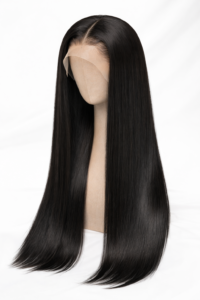



Human hair wigs are premium life savers! I’ll tell you why…
You know that popular saying, “never be caught unfresh”? I never fully understood it until recently…
I had always wanted a chance to meet this powerhouse of a woman, one of the most respected voices in the beauty industry, and maybe even be mentored by her.
For the longest time, that meeting hadn’t happened.
Then one morning, my friend called me to say there was a private masterclass happening that very day, and a slot had opened up for me.
Of course, I was excited… but there was a problem, a big one.
I had missed my salon appointment the day before, and my experiments with hair dye had left me with chopped edges. I panicked.
Thankfully, I had just gotten a new glueless human hair wig. I put it on, did my makeup, stepped out looking like a million bucks, and guess what?
I met my icon and even got the chance to work closely with her for three months.
You already know we don’t gatekeep over here, so let me put you on to the different types of human hair wigs.
That way, if you ever find yourself in my situation, you’ll know exactly what to do. 😅
First, let’s start by understanding why human hair wigs have become a go-to choice for so many women.
Why Do I Need a Human Hair Wig?
For many ladies, especially women with busy lifestyles, hairstyles like braiding, twists, or sew-ins can take hours that they don’t have to spare. Wigs offer a practical alternative.
They save time, protect your natural hair, and allow you to switch styles whenever you like.
Now with human hair wigs, you not only have a solution for looking great on a busy day, but you can also achieve a polished, high-quality look effortlessly.
Human hair wigs look and move like real hair, no matter the texture.
You can style, curl, straighten, or dye them, giving you the flexibility to switch up your look while keeping it stylish.
Types of Human Hair Wigs
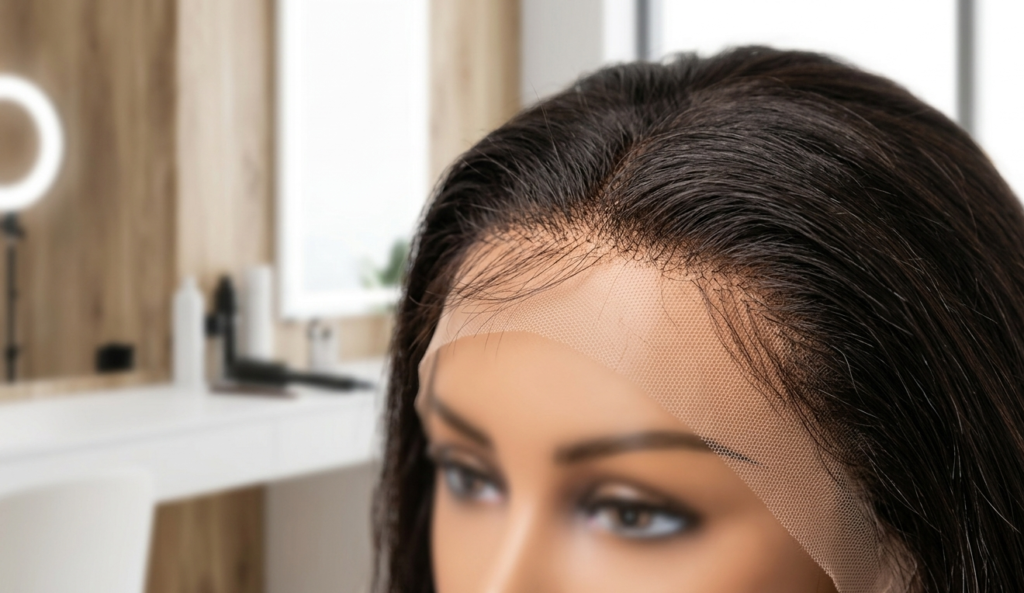
Lace Wig
One of the main ways human hair wigs are categorised is by the type of lace used in the wig.
Lace is a thin, mesh-like material used in wig caps.
Hair strands are attached to this lace, which allows the wig to mimic the appearance of hair growing directly from the scalp.
Because lace plays such an important role in creating a natural look, many wigs are named according to the type of lace used in their design.
Let’s see the 5 most common human hair lace wig types…
Lace Front Human Hair Wigs
A lace front wig is one of the most widely used wig types. In this design, the lace is placed only along the front of the wig where the hairline sits.
The rest of the wig cap is made from a stronger material that helps support the structure of the wig.
This lace section at the front allows the hairline to blend with the skin, which creates a natural appearance when the wig is worn.
Because of this realistic hairline effect, lace front wigs are extremely popular.
For beginners, lace front wigs are often a good starting point.
They provide a natural look without being as complex or expensive as some other wig types.
However, because the lace is only in the front, the hair can usually be parted only within that area.
Full Lace Wig
While lace front wigs use lace only at the front, a full lace wig is constructed entirely with lace across the whole cap.
Each strand of hair is carefully tied to the lace, allowing the hair to move freely.
This design offers much more flexibility. Since the entire cap is lace, the hair can be parted almost anywhere.
The wig can also be styled in different ways, including ponytails, braids, and buns.
Because full lace wigs require more detailed work to produce, they are usually more expensive.
Even so, many people prefer them because they offer the most natural movement and styling freedom.
360 Human Hair Lace Wig
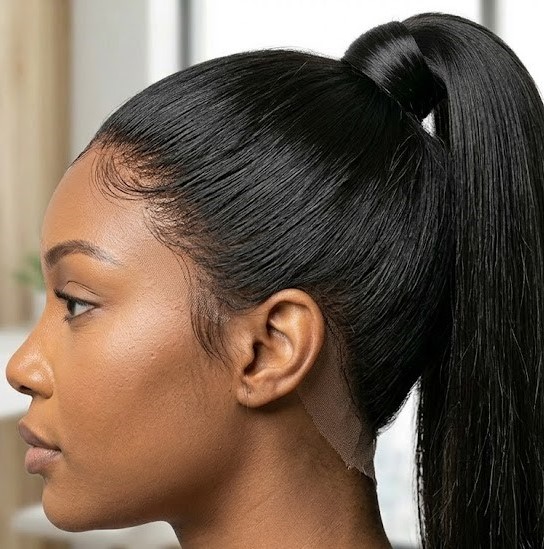
Some wigs combine features of both lace front and full lace wigs. One example is the 360 lace wig.
In this design, lace runs all the way around the perimeter of the wig.
That means the front, sides, and back of the hairline are made of lace, while the centre of the cap uses a regular wig material.
This structure allows the hairline to look natural from every angle.
It also makes it possible to wear hairstyles like ponytails or buns without revealing the wig cap.
For people who enjoy versatile hairstyles but want a slightly simpler wig than a full lace wig, the 360 lace wig can be a great option.
HD Lace Wig
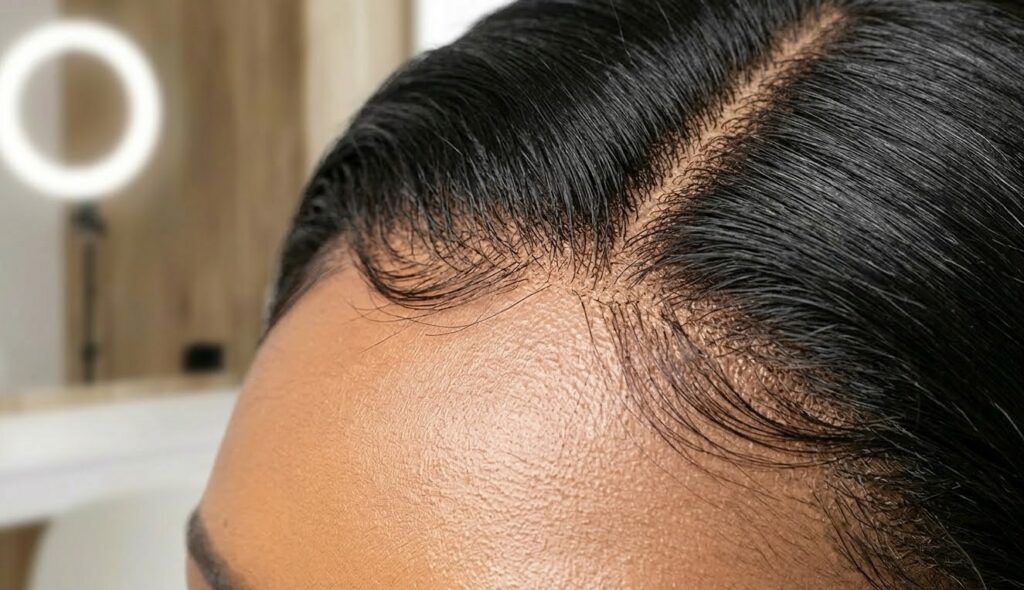
As wig technology continues to improve, new lace materials have been developed to make wigs look even more natural. One of the most popular modern options is HD lace.
HD lace is extremely thin and soft, which allows it to blend almost invisibly with the skin. When properly installed, it can be very difficult to see where the wig begins.
Because of this realistic effect, HD lace wigs are often chosen for professional wig installations or special occasions.
Transparent Lace Wig
Another lace type commonly used in wigs is transparent lace.
This lace is light in colour and slightly see-through, which helps it blend with different skin tones.
Although it may not be as thin as HD lace, transparent lace still creates a natural look and is often easier for beginners to manage.
Many people also tint the lace with makeup to match their skin tone more closely.
Now that we understand how lace affects the appearance of a wig, the next step is to look at how wigs are built and worn.
Now, let’s look at another set of human hair wig types.
Human Hair Wigs Construction Types
Beyond lace types, wigs are also categorised according to their construction and installation method.
These names describe how the wig sits on the head and how it blends with natural hair.
Understanding these wig construction styles can help you choose a wig that matches your lifestyle and comfort level.
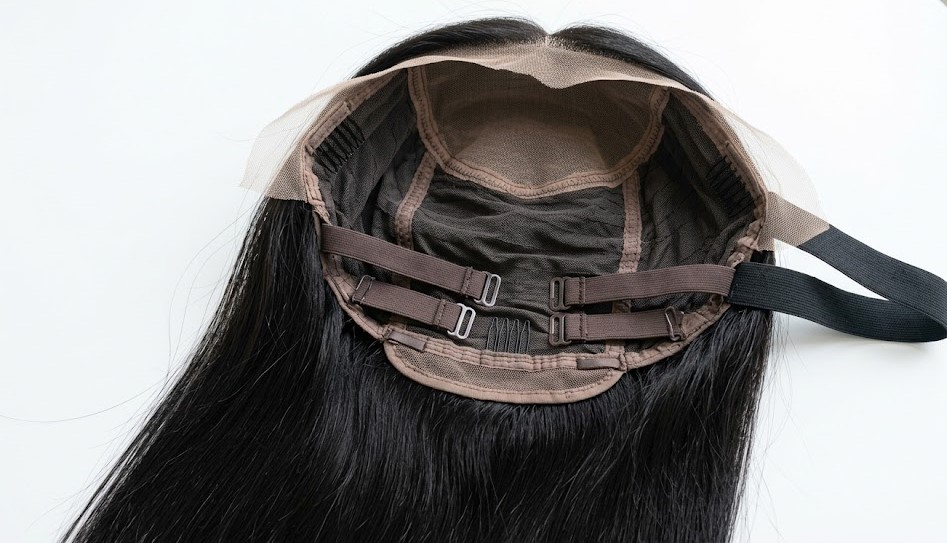
Glueless Wig
Glueless human hair wigs, like the one that saved me the other day, are designed to be worn without glue or adhesive.
Instead, they stay in place using adjustable straps, elastic bands, or small combs built into the wig cap.
Because of this design, glueless wigs are extremely convenient. They can be put on and removed quickly, making them perfect for everyday use.
Many people also prefer them because they avoid the need for glue, which can sometimes irritate the skin or damage hair edges.
U-Part Wig
Some wigs are designed to blend directly with the wearer’s natural hair. A U-part human hair wig is a good example of this.
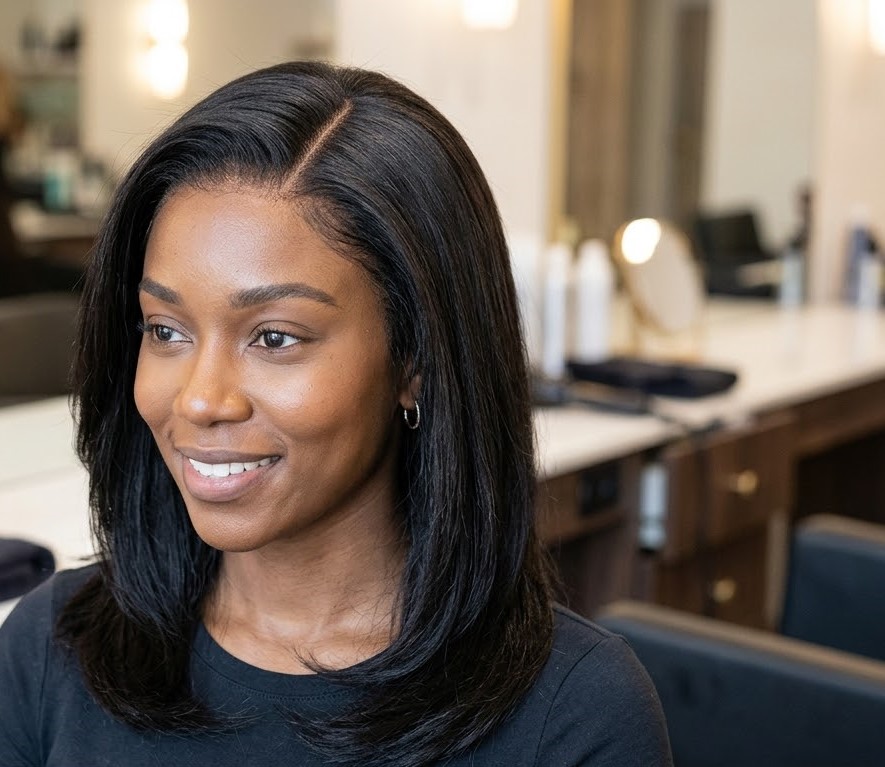
This wig has a U-shaped opening at the top of the cap.
A small portion of natural hair is left outside the wig and styled to cover the opening.
When done properly, the natural hair blends seamlessly with the wig hair, creating a very realistic appearance.
V-Part Wig
A V-part wig works similarly to a U-part wig, but the opening at the top of the wig is shaped like a small V instead of a U.
Because the opening is smaller, less natural hair needs to be left out. T
his makes the wig easier and quicker to install while still allowing the hair to blend naturally.
Closure Wig
Closure wigs use a lace piece called a closure that sits at the crown of the head.
The closure creates a natural-looking scalp area where the hair can be parted.
Closures usually come in sizes like 4×4 or 5×5 inches.
Although the parting space is smaller than some other wig types, closure wigs are often easier to install and maintain.
For beginners who want a simple and reliable wig option, closure wigs are often recommended.
Frontal Wig
Frontal wigs use a lace frontal that stretches across the entire front hairline from ear to ear.
This larger lace section allows the wearer to create different parting styles along the front of the head, including middle parts and side parts.
Because of this flexibility, frontal wigs are commonly used for more advanced wig styling.
Now that we have looked at lace types and wig construction styles, there is another naming system that appears often when shopping for wigs.
This system involves numbers that describe the size of the lace area.
Lace Size Human Hair Wigs
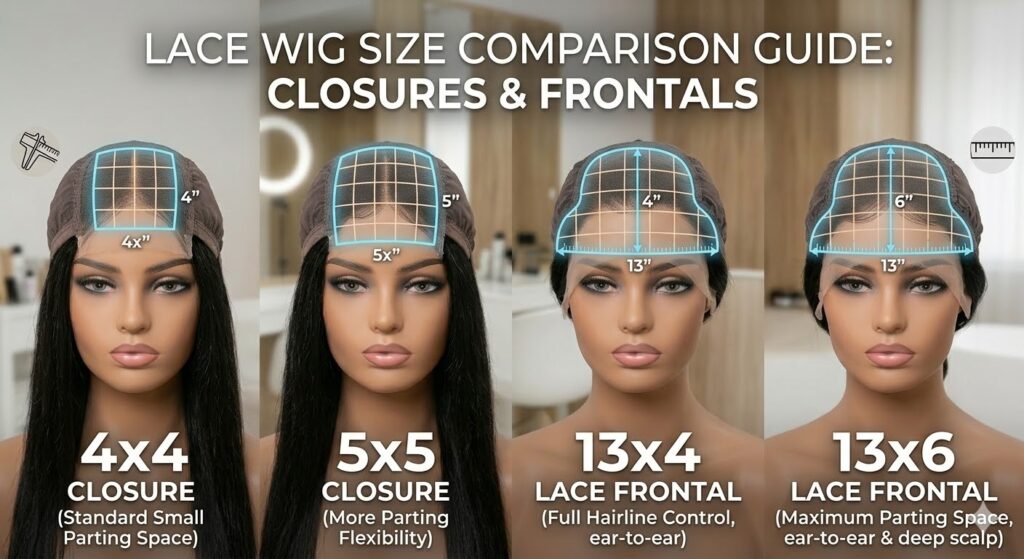
When checking out human hair wigs online or in stores, you may see names like 4×4, 5×5, 13×4, or 13×6.
These numbers refer to the size of the lace area on the wig.
The first number represents the width of the lace, while the second number represents the depth of the lace, both measured in inches.
4×4 Lace Closure Wig
A 4×4 lace closure wig has a closure that measures four inches wide and four inches deep.
Because the lace area is smaller, the wig usually allows only one main parting style.
However, this smaller lace area also makes the wig easier to manage and install.
Many beginners prefer 4×4 closure wigs because they are simple, comfortable, and reliable for everyday wear.
5×5 Lace Closure Wig
A 5×5 lace closure wig offers slightly more lace area than a 4×4 closure wig.
The additional inch of lace allows for a little more flexibility when creating a hair part.
Although the difference may seem small, the extra space can help the wig look more natural and allow for more styling options.
13×4 Lace Front Wig
A 13×4 lace front wig has lace that measures thirteen inches across the hairline and four inches deep.
The thirteen-inch width usually stretches from ear to ear.
This wider lace area allows the hairline to look natural across the entire front of the head and provides room for different parting styles.
13×6 Lace Front Wig
A 13×6 lace front wig is similar to a 13×4 wig but provides deeper lace for parting.
The six-inch depth allows for more dramatic parts and greater styling flexibility.
For people who enjoy deeper side parts or more creative hairstyles, the 13×6 lace front wig can offer extra styling freedom.
Now that we understand how lace size affects styling options, the next step is to explore another important aspect of wigs, hair texture and style.
Human Hair Wig Styles
Human hair wigs are also categorised based on the texture or pattern of the hair strands. These style names describe how the hair naturally falls or curls.
Straight Wig
Straight wigs feature smooth hair that falls evenly from root to tip. This style is simple, elegant, and easy to maintain.
Because of its clean appearance, straight hair works well for both professional and casual settings.
Body Wave Wig
Body wave wigs contain soft, loose waves that add gentle movement and volume to the hair.
This texture gives the hair a relaxed and stylish look.
Because the waves are not too tight, body wave wigs can also be straightened or curled, making them a flexible option for different hairstyles.
Deep Wave Wig
Deep wave wigs have a stronger and more defined wave pattern.
The waves are deeper and more noticeable, creating a fuller and more textured appearance.
This texture is often chosen by people who want a hairstyle with more volume and personality.
Curly Wig
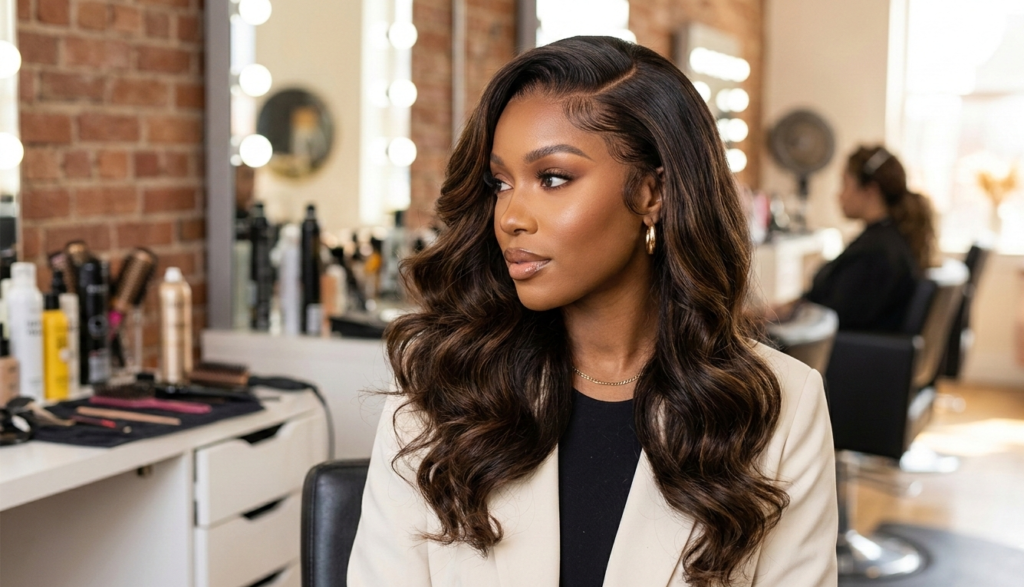
Curly wigs contain tight curls throughout the hair.
These curls create a lively and voluminous style that stands out more than straight or wavy hair.
Kinky Curly Wig
Kinky curly wigs are designed to resemble natural afro-textured hair.
The curls are very tight and dense, creating a thick and natural appearance that closely matches many natural hair types.
Water Wave Wig
Water wave wigs have soft waves that resemble the flowing pattern of water. This texture sits between loose waves and curls and often gives the hair a light, effortless look.
Hair texture plays a major role in the overall style of a wig, but another factor that affects the final appearance is hair density, which refers to how thick the hair is on the wig.
Wig Density
Density describes how much hair is attached to the wig cap.
In simple terms, it refers to how thick or full the wig looks.
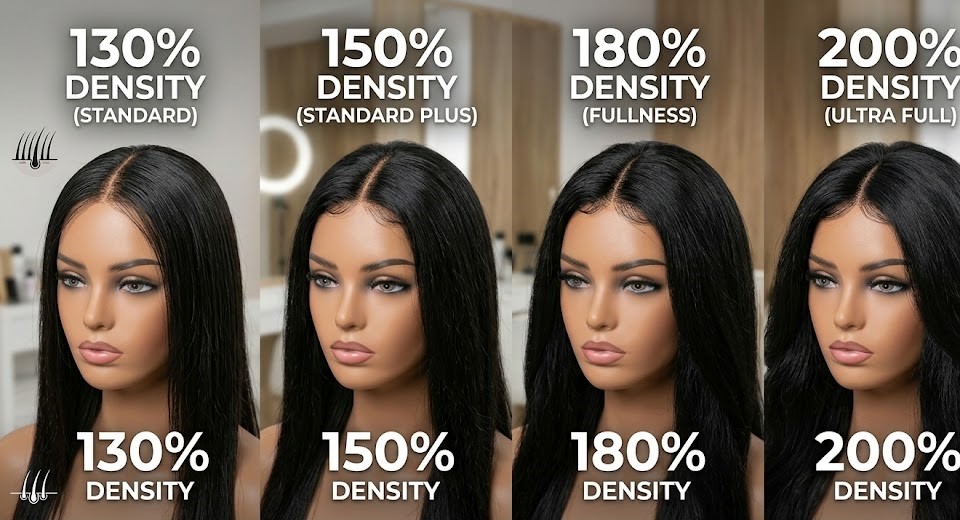
Lower densities, such as 130%, tend to look lighter and more natural.
This level often resembles the natural thickness of many people’s hair.
Medium densities, such as 150%, provide a fuller appearance while still looking realistic.
Because of this balance, 150% density is one of the most commonly chosen options.
Higher densities, such as 180% or 200%, create a very full and dramatic hairstyle.
These densities are often used for glamorous looks where extra volume is desired.
Choosing the right density depends on personal style, comfort, and the type of hairstyle you want to achieve.
Special Types of Human Hair Wigs
In addition to the main categories discussed above, some wigs include special features that make them easier to wear or more natural in appearance.
For example, pre-plucked wigs already have a hairline that has been shaped to look more natural.
This saves time during installation because the hairline requires less customisation.
Another example is pre-bleached knot wigs. In these wigs, the small knots that attach hair to the lace are lightened so they are less visible.
This helps the lace resemble a natural scalp more closely.
There are also ready-to-wear wigs, which are designed to require very little preparation before being worn.
These wigs are ideal for people who want convenience and quick styling.
Finally, some people choose custom wigs, which are made according to their personal preferences.
With custom wigs, you can select the hair texture, density, lace type, length, and colour to create a wig that fits your exact style.
Tips for Choosing the Right Human Hair Wig
By this point, you can see that human hair wigs come in many different types.
While this variety gives people many styling options, it can also make the decision feel overwhelming.
To simplify the process, it helps to start by thinking about how you plan to wear the wig. If you want something easy for daily use, a glueless wig or closure wig may be the most convenient choice.
Next, consider the hair texture and density that match your preferred style.
Some people enjoy sleek, straight hair, while others prefer fuller curly or wavy styles.
Finally, pay attention to the lace type and lace size, since these details affect how natural the wig looks and how flexible the styling options are.
Taking these factors into account will help you choose a wig that feels comfortable, natural, and suited to your lifestyle.
Human hair wigs are a game-changer, and now that you know the different types, textures, and constructions, you can easily pick the wig that fits your style and lifestyle.
You can get your preferred 100% human hair wig from Twinkles Beauty, available in Nigeria, Ghana, and across Africa. Shipping is seamless, so your wig can reach you wherever you are. You can also book an appointment for professional installation.
FAQs
What are the different types of human hair wigs?
There are many types of human hair wigs, including lace front wigs, full lace wigs, 360 lace wigs, closure wigs, frontal wigs, glueless wigs, U-part wigs, and V-part wigs.
These wigs differ in how they are constructed, how they are installed, and how much styling flexibility they provide.
What is the most natural-looking human hair wig?
Full lace wigs and HD lace wigs are often considered the most natural-looking options.
Because the lace blends with the scalp and allows flexible parting, these wigs can closely mimic natural hair growth.
What is the difference between a lace front wig and a closure wig?
A lace front wig has lace that runs across the entire front hairline, usually from ear to ear.
A closure wig, on the other hand, has a smaller lace piece placed at the top of the head for parting.
Lace front wigs allow more styling options, while closure wigs are usually easier for beginners.
What do wig sizes like 13×4 or 4×4 mean?
These numbers describe the size of the lace area on the wig in inches.
The first number represents the width of the lace, and the second number represents the depth.
For example, a 13×4 wig has lace that is 13 inches wide and 4 inches deep.
Which human hair wig is best for beginners?
Closure wigs and glueless wigs are often recommended for beginners.
They are easier to install, require less customisation, and are generally more comfortable for daily wear.
How long do human hair wigs last?
With proper care, human hair wigs can last anywhere from several months to over a year.
The lifespan depends on factors such as the quality of the hair, how often the wig is worn, and how well it is maintained.
Can human hair wigs be styled with heat?
Yes! Human hair wigs can usually be styled with heat tools like curling irons and straighteners.
Because they are made from real human hair, they behave just like natural hair when styled.
It’s important to use a heat protectant to keep the hair looking healthy and shiny.
At Twinkles Beauty, you can get high-quality 100% human hair wigs that are perfect for styling with heat. They ship across Nigeria, Ghana, and other parts of Africa, and you can even book an appointment for professional installation, for a perfect slay.

How To Make a Wig With Closure: A Complete DIY Beginner’s Guide
Making a wig with closure is one of the most
Popular Short Wig Styles For Every Lady
Short wig styles are popular for many reasons. They are