




Wigs have become one of the most loved beauty secrets for women who want versatility, confidence, and flawless hair every day. Among the many wig types available today, frontal wigs stand out for their natural look and styling flexibility. If you have ever admired those perfectly styled wigs on social media and wondered how they look so real, chances are a frontal wig was involved. Learning how to style a frontal wig can transform your beauty routine and give you endless hairstyle options.
For beginners, styling a frontal wig might feel intimidating at first. The lace, baby hairs, parting, and overall installation process can seem complicated if you are new to wigs. However, the truth is that with the right tools, patience, and simple techniques, anyone can learn to style a frontal wig beautifully. You do not need to be a professional hairstylist to achieve a sleek, natural-looking finish.
This guide will walk you through how to style a frontal wig step by step, using beginner-friendly tips that make the process easier and more enjoyable. From preparing the wig to creating natural parts and styling the hair, you will learn everything you need to know to make your frontal wig look stunning and realistic.
What Is a Frontal Wig?
Before learning how to style a frontal wig, it is important to understand what makes it unique.
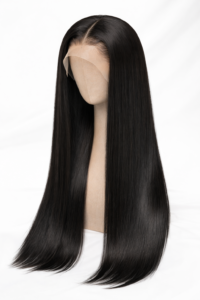
A frontal wig typically features a lace frontal closure that extends from ear to ear, allowing the hairline to appear more natural. The lace blends with the scalp, giving the illusion that the hair is growing directly from your head. This design allows wearers to experiment with different hairstyles, including middle parts, side parts, ponytails, and sleek updos.
Unlike regular wigs that have a fixed parting, frontal wigs offer greater styling flexibility. Because the lace covers the entire front hairline, you can create multiple looks without exposing the wig cap.
Some of the reasons why frontal wigs are popular include:
- They create a natural-looking hairline.
- They allow multiple parting styles.
- They can be styled in ponytails or buns.
- They blend easily with the scalp when installed correctly.
- They provide a realistic appearance in photos and real life.
Understanding these features makes it easier to learn how to style a frontal wig in a way that highlights its advantages.
Tools You Need to Style a Frontal Wig
Before you start styling your wig, gathering the right tools can make the entire process smoother. Having the proper equipment helps beginners avoid frustration and achieve better results.
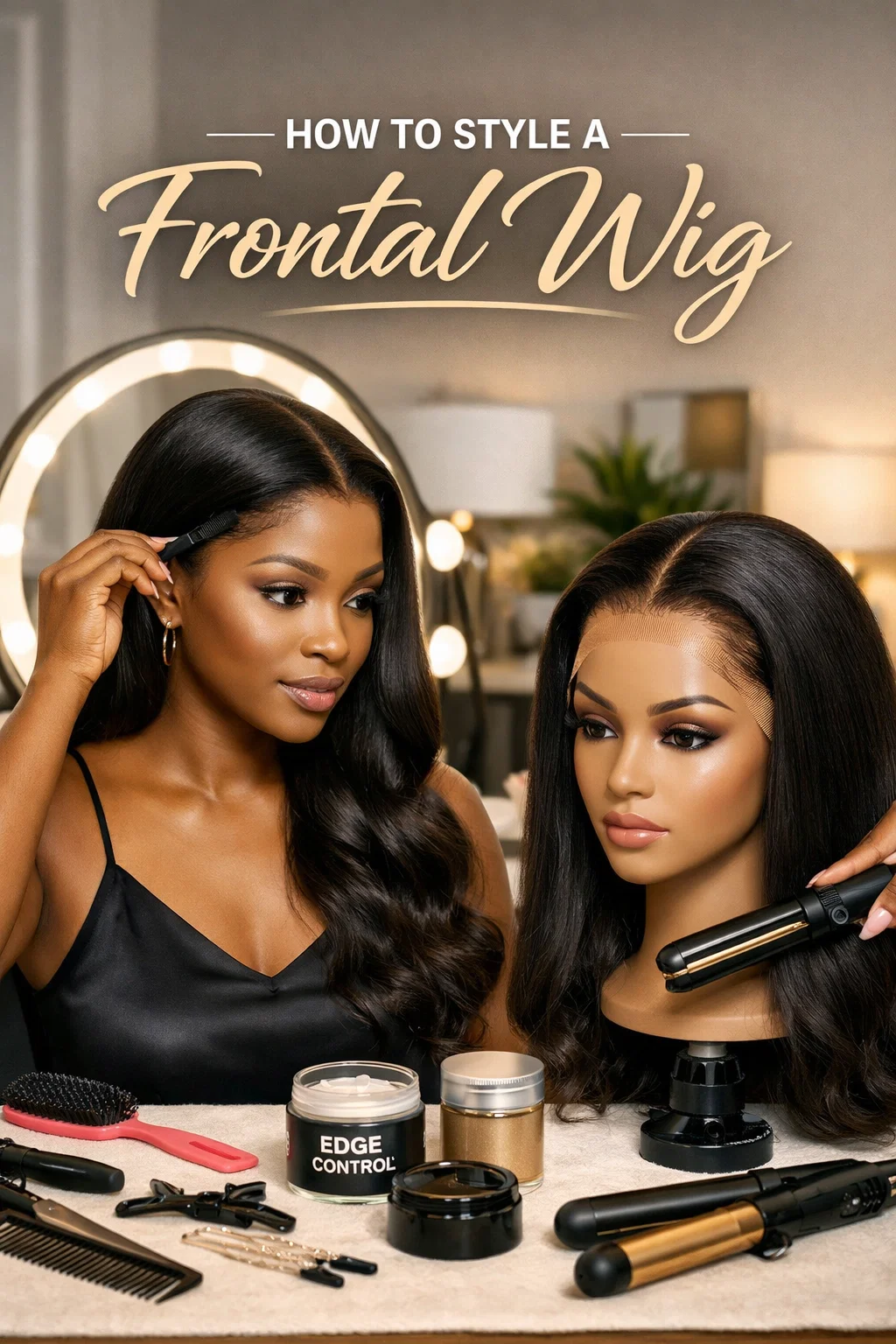
Styling a frontal wig does not require expensive salon tools, but a few essential items can make a big difference. These tools help you shape the hairline, flatten the lace, and create polished hairstyles.
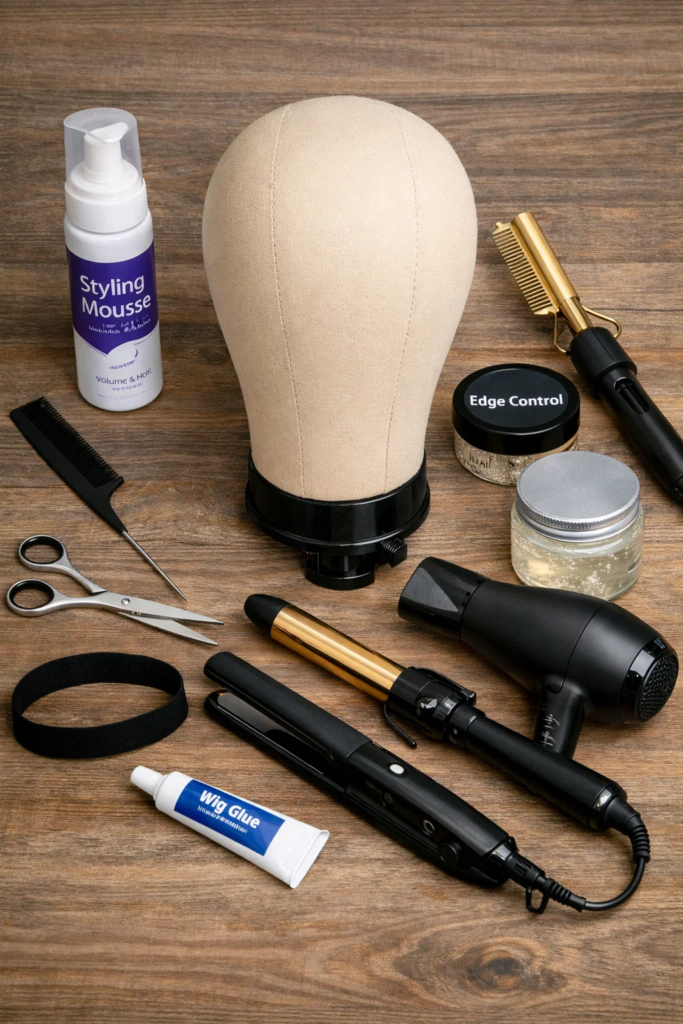
Common tools used for styling frontal wigs include:
- Wig stand or mannequin head
- Tail comb for neat parting
- Hair mousse or styling foam
- Edge control or gel
- Small scissors or razor
- Hair dryer or hot comb
- Curling iron or flat iron
- Elastic band or wig glue (optional)
Using a wig stand is especially helpful for beginners because it keeps the wig stable while you style it. It also helps you see the shape of the hairstyle more clearly.
Once you have these tools ready, you can begin preparing the wig for styling.
How to Prepare a Frontal Wig Before Styling
Proper preparation is one of the most important steps when learning how to style a frontal wig. Styling a wig without preparing it first can make the final result look unnatural or messy.
The first step is to ensure the wig is clean. If the wig is new, it may have factory residue or styling products that affect its texture. Washing the wig with a gentle shampoo and conditioner can help restore its softness and make styling easier.
After washing, allow the wig to air dry on a wig stand. This helps maintain the wig’s shape and prevents tangling. Once the wig is dry, gently comb through the hair using a wide-tooth comb to remove any knots.
You should also prepare the lace before styling. This includes:
- Plucking the hairline to create a natural density
- Tinting the lace to match your skin tone
- Trimming excess lace carefully along the hairline
These steps help the wig blend more naturally with your scalp, making the styling process look more realistic and polished.
Step-by-Step Guide on How to Style a Frontal Wig
Learning how to style a frontal wig step by step makes the process much easier, especially for beginners. Following a simple routine helps you avoid common mistakes and achieve a more polished and natural-looking finish. With the right approach and a little patience, styling a frontal wig can quickly become a fun and rewarding part of your beauty routine.
Start by placing the wig securely on your head or on a mannequin stand. Make sure the wig aligns properly with your natural hairline and sits comfortably on your head. Adjust the straps inside the wig cap if necessary so the wig stays in place while you style it.
Next, choose your preferred parting style. Frontal wigs allow you to experiment with different partings such as a middle part, side part, or deep side part. Using a tail comb helps you create a clean and precise part, which contributes to a more natural look. After creating the part, you can begin styling the wig using the steps below.
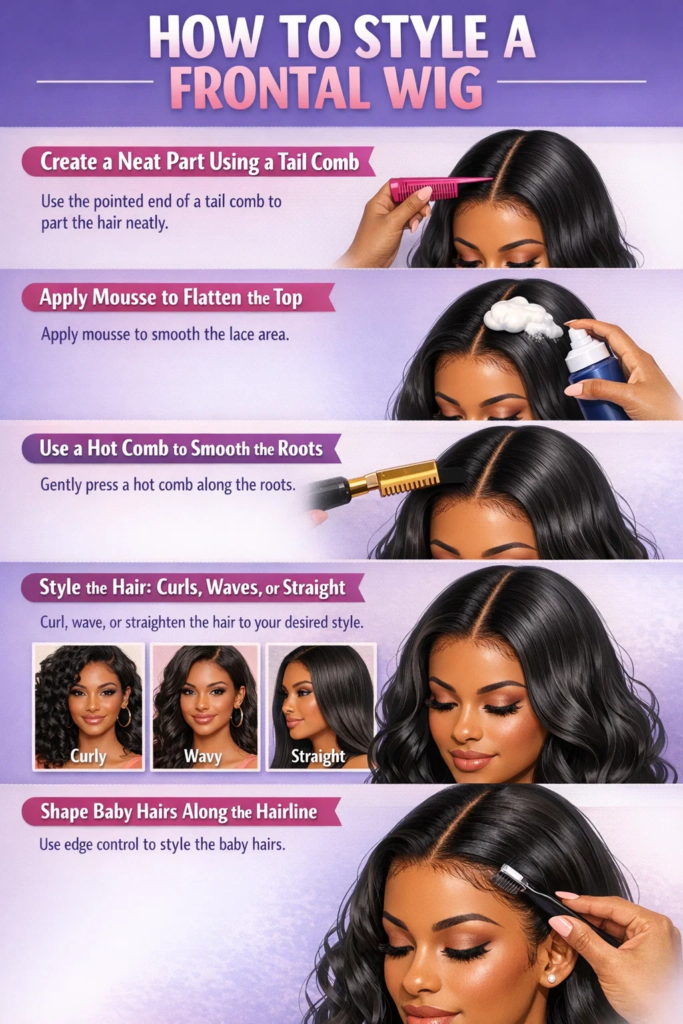
Basic styling steps include:
- Create a neat part using a tail comb
Use the pointed end of a tail comb to carefully separate the hair and form a clean part. A well-defined part helps the wig look more natural and polished. - Apply mousse to flatten the top of the wig
Apply a small amount of mousse or styling foam around the lace area. This helps smooth the hair, control flyaways, and keep the top of the wig flat. - Use a hot comb to smooth the roots
Gently run a hot comb over the root area near the parting. This step helps flatten the hair and gives the wig a sleek, salon-quality finish. - Style the hair using curls, waves, or straightening
Depending on your preference, you can curl the hair for a soft and feminine look, create loose waves for a relaxed style, or straighten the hair for a sleek appearance. - Shape baby hairs along the hairline for a natural finish
Use edge control and a small brush or toothbrush to style subtle baby hairs along the hairline. This helps the wig blend naturally with your skin and adds a realistic finishing touch.
Taking your time with each step will help ensure your frontal wig looks smooth, natural, and beautifully styled. With practice, you will become more confident and quicker at styling your wig, allowing you to experiment with different looks whenever you like.
Read also: Glueless Frontal Wig: Complete Guide, Benefits, and Styling Tips
Creating Natural Baby Hairs for a Realistic Look
Baby hairs are a small detail that can make a huge difference when styling a frontal wig. They help soften the hairline and create the illusion of natural hair growth.
To create baby hairs, start by separating a thin section of hair along the hairline. Using a small razor or scissors, carefully trim the hair to a shorter length. Avoid cutting too much hair, as subtlety is key to achieving a natural appearance.
Once the hair is trimmed, apply a small amount of edge control or styling gel. Use a small brush or toothbrush to shape the baby hairs into soft curves along the hairline.
Some popular baby hair styles include:
- Soft swoops around the temples
- Light curves along the forehead
- Minimal baby hairs for a natural look
- Defined swoops for a glamorous finish
Beginners should start with simple baby hairs rather than dramatic shapes. With practice, you can experiment with more creative styles.
Popular Frontal Wig Styles Beginners Can Try
One of the most exciting things about frontal wigs is the ability to create different hairstyles. Once you learn the basics of how to style a frontal wig, you can experiment with various trendy looks.
Beginners should start with simple hairstyles before trying more complex styles. Simple styles are easier to maintain and require less heat styling.
Some beginner-friendly frontal wig styles include:
- Middle part straight hair for a sleek and elegant look
- Loose curls for a soft and feminine style
- Side part waves for a glamorous appearance
- Half-up half-down hairstyles for versatility
- Low ponytails or buns for a classy everyday style
These styles highlight the natural hairline of a frontal wig while still allowing creativity. With practice, you can also experiment with braided styles, high ponytails, or voluminous curls.
Common Mistakes to Avoid When Styling a Frontal Wig
When learning how to style a frontal wig, beginners sometimes make mistakes that affect the final appearance of the wig. Avoiding these mistakes can help your wig look more natural and last longer.
One common mistake is using too much product. Excess mousse, gel, or hairspray can make the wig look stiff or greasy. Instead, use products in small amounts and build gradually if needed.
Another mistake is applying too much heat when styling the wig. High temperatures can damage the hair fibers and reduce the lifespan of the wig.
Other mistakes beginners should avoid include:
- Cutting too much lace from the hairline.
- Over-plucking the wig, which creates bald spots.
- Using the wrong styling tools.
- Sleeping in the wig without protection.
- Skipping regular maintenance.
Being gentle with your wig and practicing good styling habits will keep it looking beautiful for a long time.
Tips for Maintaining a Styled Frontal Wig
After spending time styling your wig, proper maintenance helps preserve the hairstyle and keep the wig in great condition.
One helpful habit is storing the wig properly when it is not being worn. Keeping the wig on a mannequin head or wig stand helps maintain its shape and prevents tangling.
You should also clean the wig regularly to remove product buildup. Using mild shampoo and conditioner helps keep the hair soft and manageable.
Helpful maintenance tips include:
- Wrap the hair with a silk scarf at night
- Store the wig on a wig stand
- Avoid excessive heat styling
- Detangle the hair gently before washing
- Wash the wig every few weeks depending on use
Maintaining your wig properly ensures it stays beautiful and ready to style whenever you need it.
Styling your Frontal Wigs Made Easy
Learning how to style a frontal wig can feel overwhelming at first, but with patience and practice, it becomes much easier. Frontal wigs offer incredible versatility, allowing you to experiment with different hairstyles while maintaining a natural-looking hairline. By following the right steps preparing the wig, creating clean partings, styling the hair, and shaping baby hairs; you can achieve a polished and professional finish.
For beginners, the key is to start simple and gradually build your styling skills over time. As you become more comfortable with your wig, you will discover new ways to style it and express your personal beauty. With the right tools, proper maintenance, and a little creativity, your frontal wig can become a stunning and reliable part of your everyday style.
How To Make a Wig With Closure: A Complete DIY Beginner’s Guide
Making a wig with closure is one of the most
Popular Short Wig Styles For Every Lady
Short wig styles are popular for many reasons. They are