

Dior Sauvage Eau de Parfum: Is One of the World’s Most Popular Men’s Fragrances Still Worth It?
Few men’s fragrances have achieved the level of recognition that


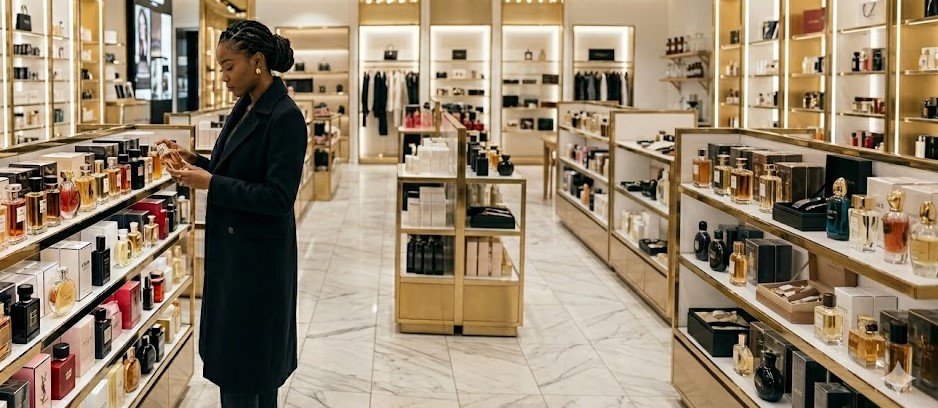
You know that feeling when someone walks past you, and you literally stop mid-sentence?
Not because of how they look. Because of how they smell.
Something rich. Something warm. Something you can’t quite name, but you know it didn’t come from a supermarket shelf or a duty-free counter at the airport.
That’s a niche perfume.
Niche perfumes are fragrances made by brands that focus mainly on creative expression rather than mass appeal.
These brands treat perfume like an art form. They often experiment more with unusual scent combinations, stronger compositions, and more personal or distinctive ideas.
Because of this, niche perfumes often have stronger personalities.
They might focus heavily on one material like smoky incense, dense woods, or sharp spices, and build everything around that idea instead of blending into something familiar.
Designer perfumes come from large fashion or beauty houses like Dior, Chanel, Versace, and Yves Saint Laurent. These brands usually design fragrances to be smooth, easy to wear, and broadly appealing.
For example, Dior Sauvage is fresh, peppery, and clean with ambroxan giving it a modern “blue” scent feel. Chanel Bleu de Chanel is another example, it mixes citrus, woods, and incense in a very balanced way so it feels versatile and safe for almost any situation. YSL Libre leans into lavender and vanilla, but still keeps a polished, crowd-friendly structure.
Niche perfumes, from houses like Amouage and Parfums de Marly, are built with fewer restrictions on style.
For example, Amouage Interlude Man uses heavy incense, smoke, resin, and dark amber, it is intense, dense, and very noticeable. Le Labo Santal 33 focuses almost entirely on dry sandalwood, leather, and musk, creating a raw, stripped-back woody scent. Nishane Hacivat pushes pineapple, citrus, and moss into a sharp, green woody fragrance that feels more daring than typical fresh perfumes.
Another distinction is in how they behave when worn. Designer fragrances tend to feel familiar quickly. You can tell the different notes within the first few minutes. While Niche fragrances often evolve more slowly and can feel more layered, meaning they change noticeably as they sit on the skin.
You may want to note that neither approach is superior, they simply create different wearing experiences.
Niche perfumes are commonly grouped by scent families. These categories describe how the fragrance feels in real life, not just what ingredients are used.
Fresh niche perfumes are built to feel light, clean, and airy on skin.
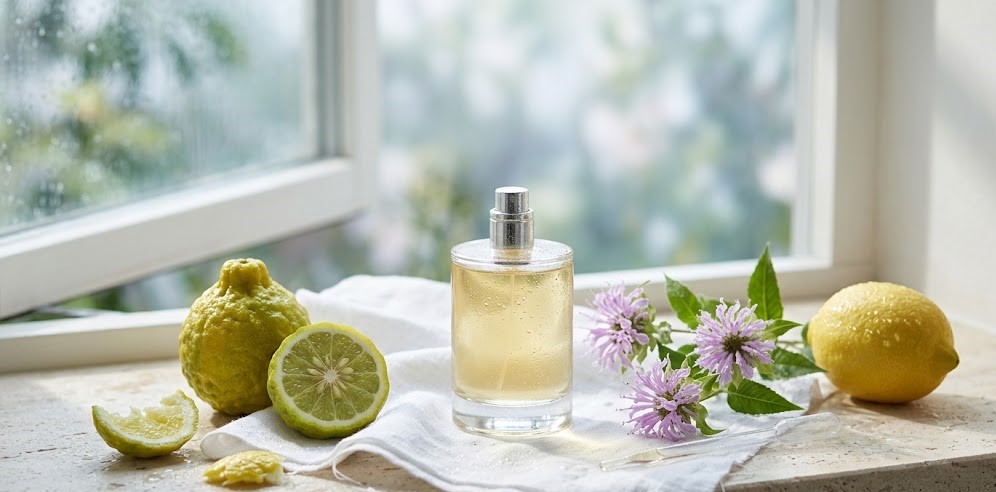
They often smell like Citrus peel being crushed between fingers, freshly washed fabric that still carries a soft detergent-like scent or cool outdoor air after rain or early morning wind
They are commonly worn in warm weather or professional environments because they do not overwhelm shared spaces.
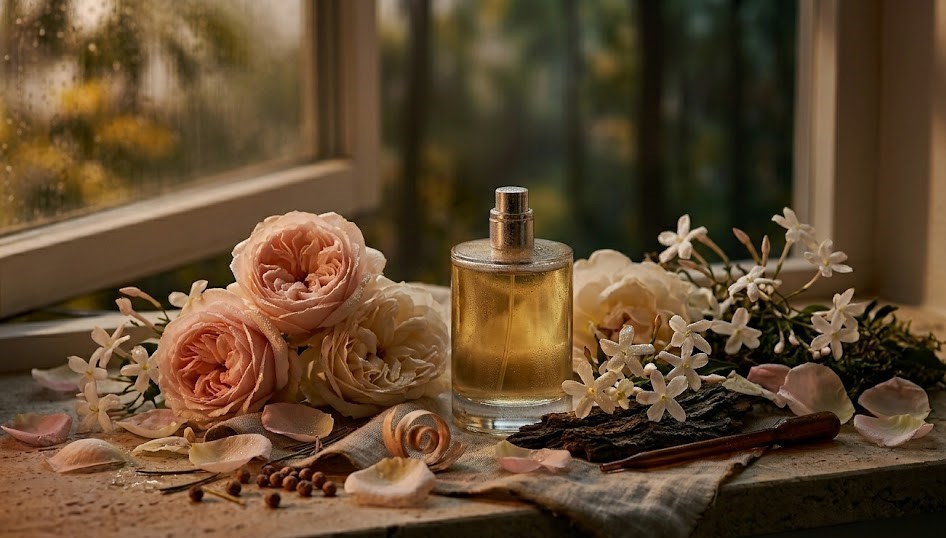
Floral niche perfumes are built around flower-based materials, but they are usually more textured than simple “flower scents.”
They can smell like rose petals that feel slightly dense and natural, not sugary, jasmine at night, which is richer and slightly heavier than daytime floral air, and iris with a soft, cosmetic-like powder effect similar to makeup or fine skin products.
Floral niche perfumes are often chosen when someone wants a noticeable but refined presence.
Woody niche perfumes are built around materials like sandalwood, cedarwood, vetiver, and oud.
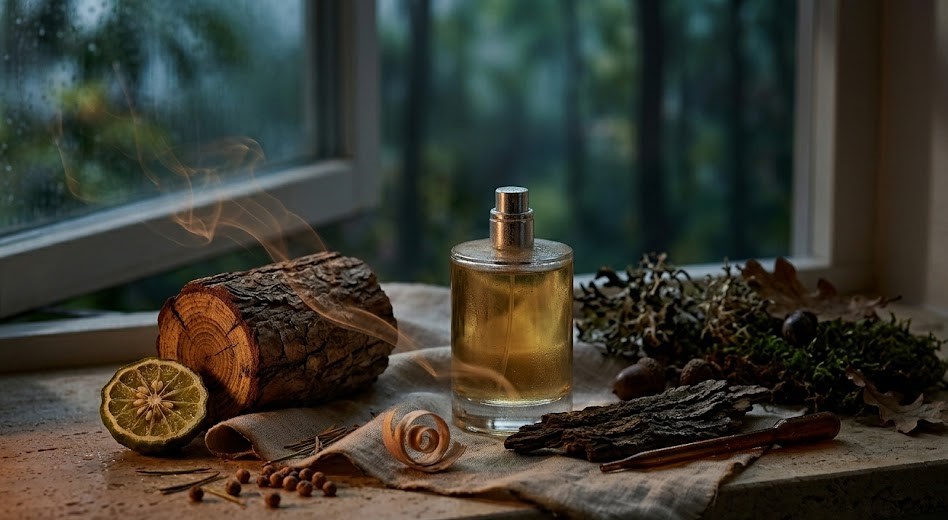
They smell like dry wood surfaces, such as furniture or pencil shavings, smoky wood after burning or heating resin and earthy tones similar to soil or bark after rain.
These perfumes usually feel more grounded and structured than fresh or floral scents. They also tend to last longer on skin because woody materials evaporate more slowly.
Woody fragrances are commonly worn in cooler weather or evening settings because they feel heavier and more present in the air.
Gourmand niche perfumes are built around edible-smelling notes.
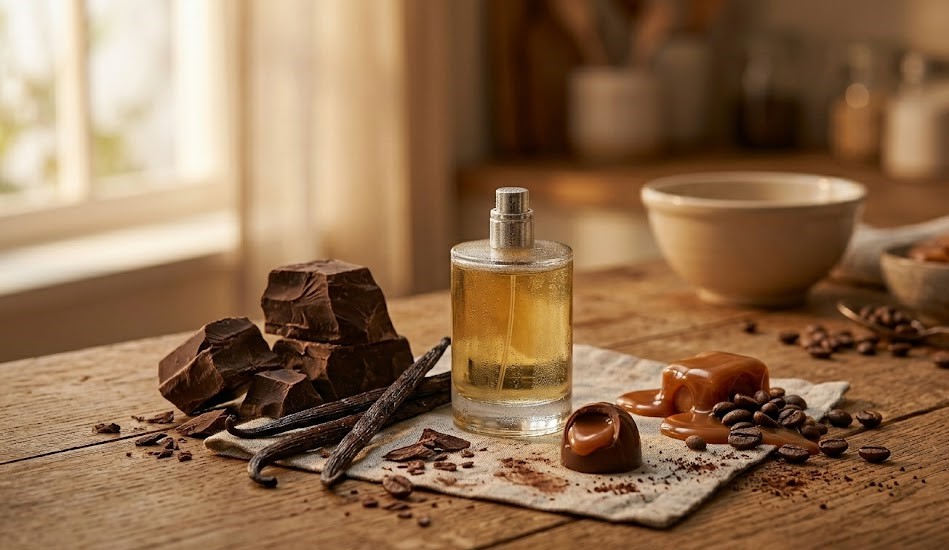
They mostly smell like vanilla used in baking, caramelised sugar warming on heat, coffee mixed with milk or cream, or chocolate or pastry-like sweetness.
Unlike simple sweet perfumes, gourmand niche fragrances are usually more layered. They often start sweet but develop into warmer, less sugary tones as they dry down.
These perfumes are typically chosen for comfort and warmth and are more noticeable in cooler environments.
Amber-based niche perfumes are warm, dense, and slightly resinous.
They often smell like vanilla mixed with spice notes like cinnamon or clove, incense burning in enclosed spaces or sweet resin combined with soft smoky warmth.
These perfumes tend to develop slowly and stay noticeable for many hours due to their heavier base structure.
They are commonly worn in evenings or cold weather because they feel warm and enveloping rather than light.
Niche perfumers often work with ingredients that cost extraordinary amounts to source:
After spraying, the scent usually goes through three phases:
The first few minutes are the opening, which is what you smell immediately. This phase is often brighter or sharper and does not represent the full perfume.
After about 20–60 minutes, the main scent becomes noticeable. This is the core identity of the fragrance and what you will smell for most of its wear time.
After several hours, the perfume settles into its final stage on the skin.
Start by deciding what kind of scent you naturally prefer.
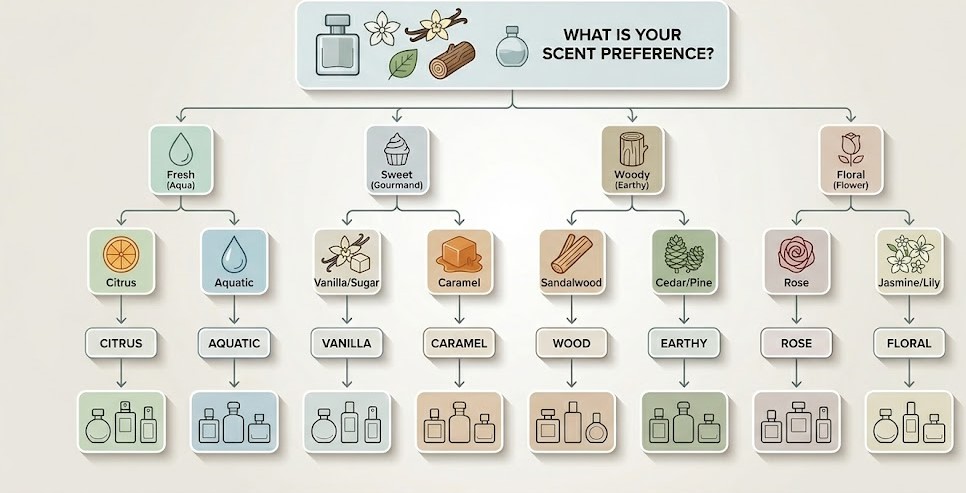
If you like clean environments, fresh or citrus-based perfumes are usually easier to start with. If you prefer warmth or sweetness, gourmand or amber-based perfumes may feel more natural.
Always test perfume on skin rather than paper because paper does not show how it develops over time.
After applying, wear it through a full day. The first smell is only the opening, not the final result.
Check how it smells after a few hours, because that is when the perfume shows its real character.
Finally, consider where you will wear it. Some perfumes are better for daily use, while others feel more suited to evenings or colder weather.
Perfume made by brands that focus primarily on fragrance creation rather than fashion or mass-market products.
Designer perfumes are made for broad appeal, while niche perfumes focus more on fragrance creativity and development.
f you’re buying something you’ll actually wear, yes, completely. The longevity, quality, and uniqueness more than justify it compared to replacing cheaper options every few months.
They are produced in smaller quantities and distributed more selectively than mass-market fragrances.
Yes, Amouage is widely classified as niche. Founded in Oman in 1983, it started as a royal commission and now sits at the ultra-luxury end of niche perfumery. They call themselves “luxury haute parfumerie”, but the structure, ingredient quality, and distribution are firmly niche.
If you’re in Lagos or Accra, one reliable option is Twinkles Beauty, which sells authentic beauty and niche perfumes like Le Labo, Byredo, Maison Francis Kurkdjian, Creed, and Amouage, and also offers seamless delivery across Africa, including Nigeria and Ghana.
Few men’s fragrances have achieved the level of recognition that

Have you ever sprayed your favourite perfume in the morning,
Luxury designer fragrances are wonderful, but building a fragrance collection
Get exclusive beauty tips, product launches, and special offers directly to your inbox.